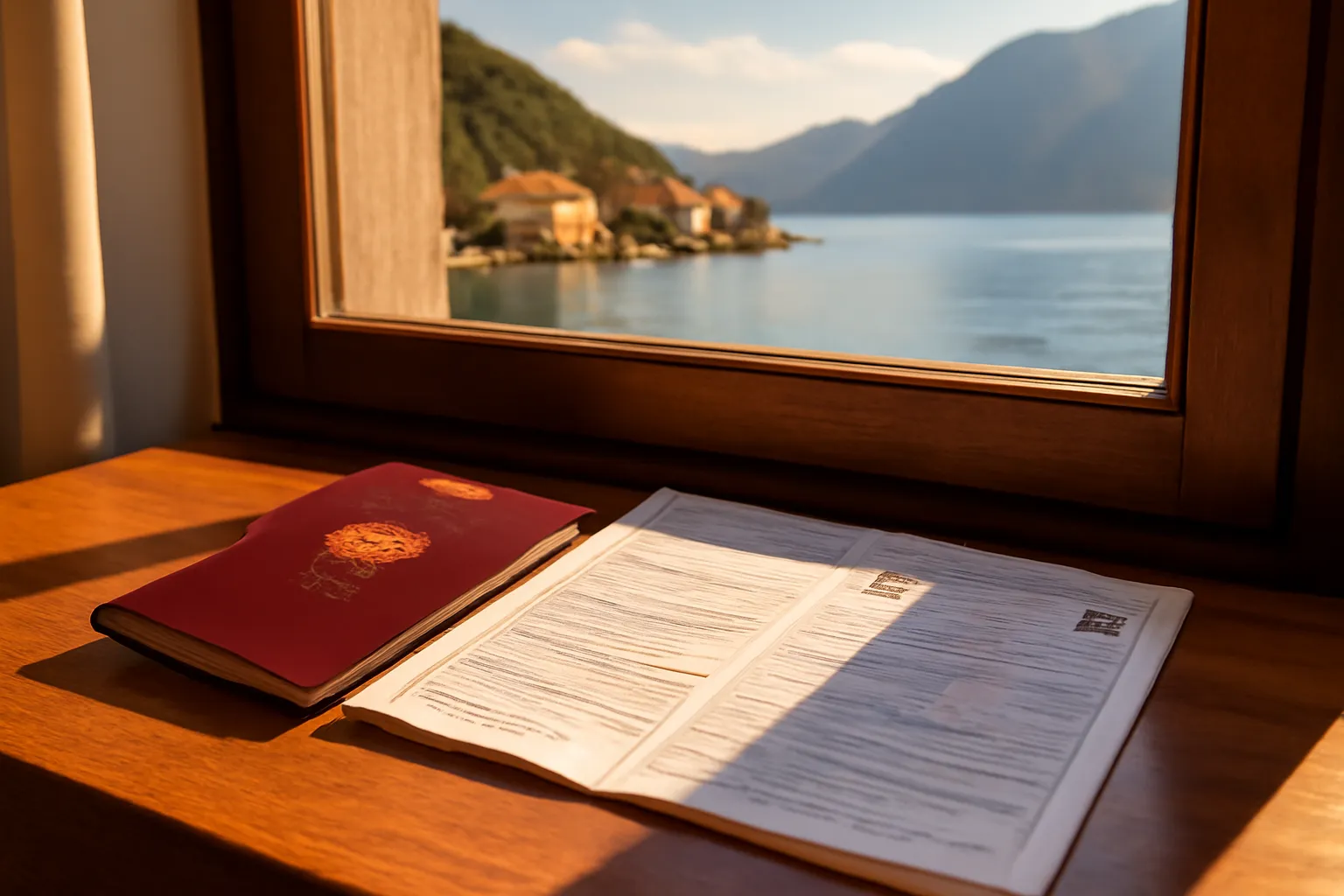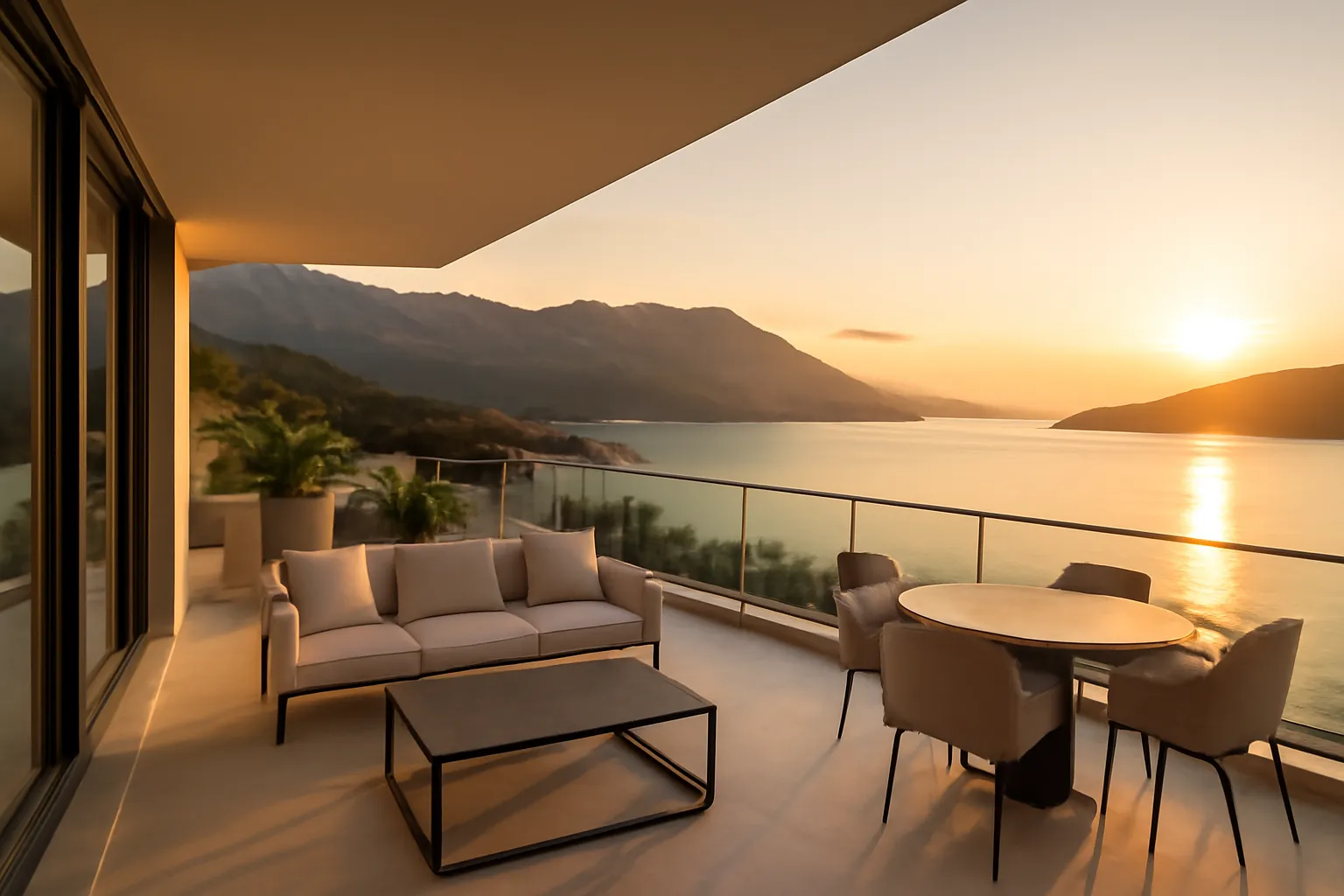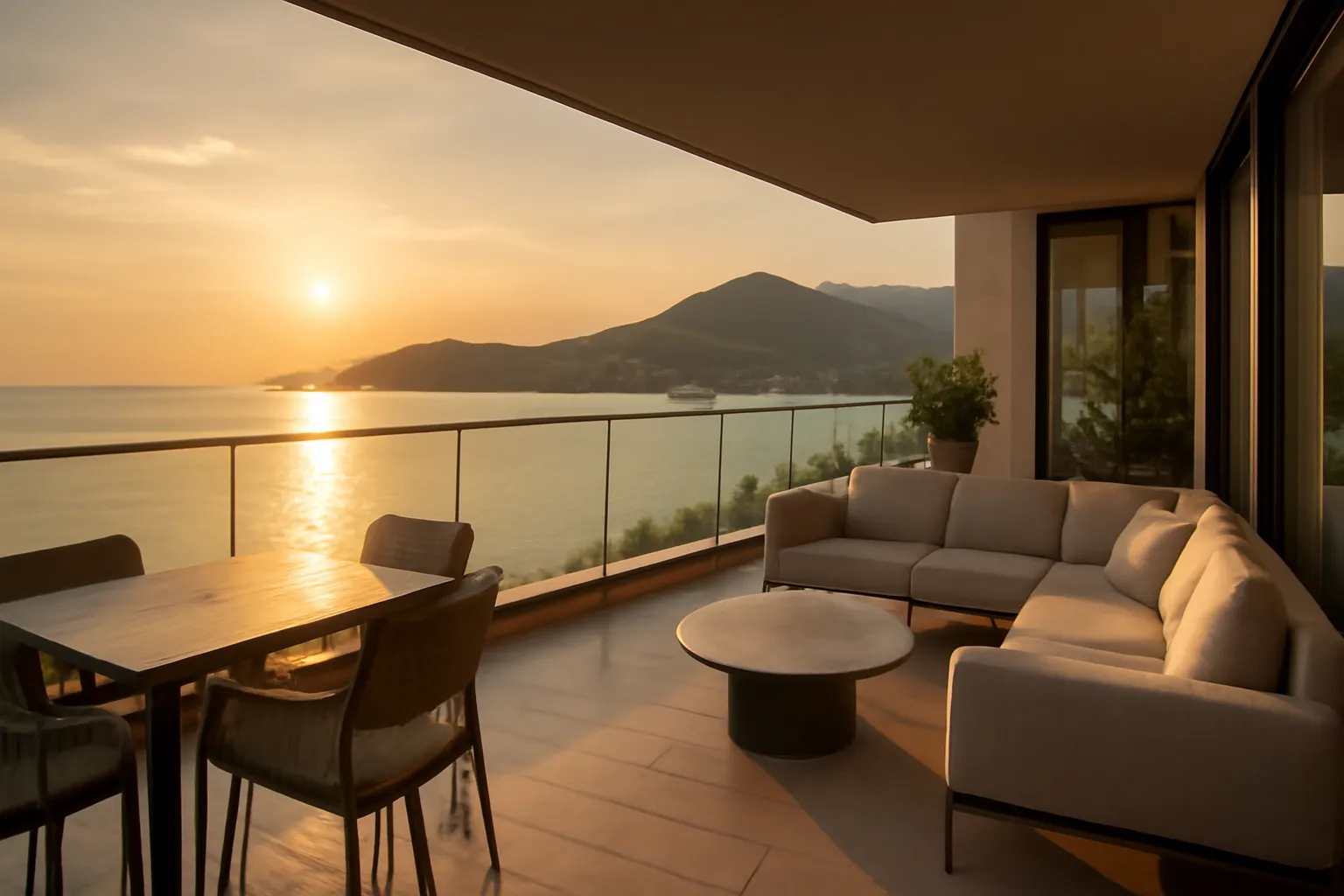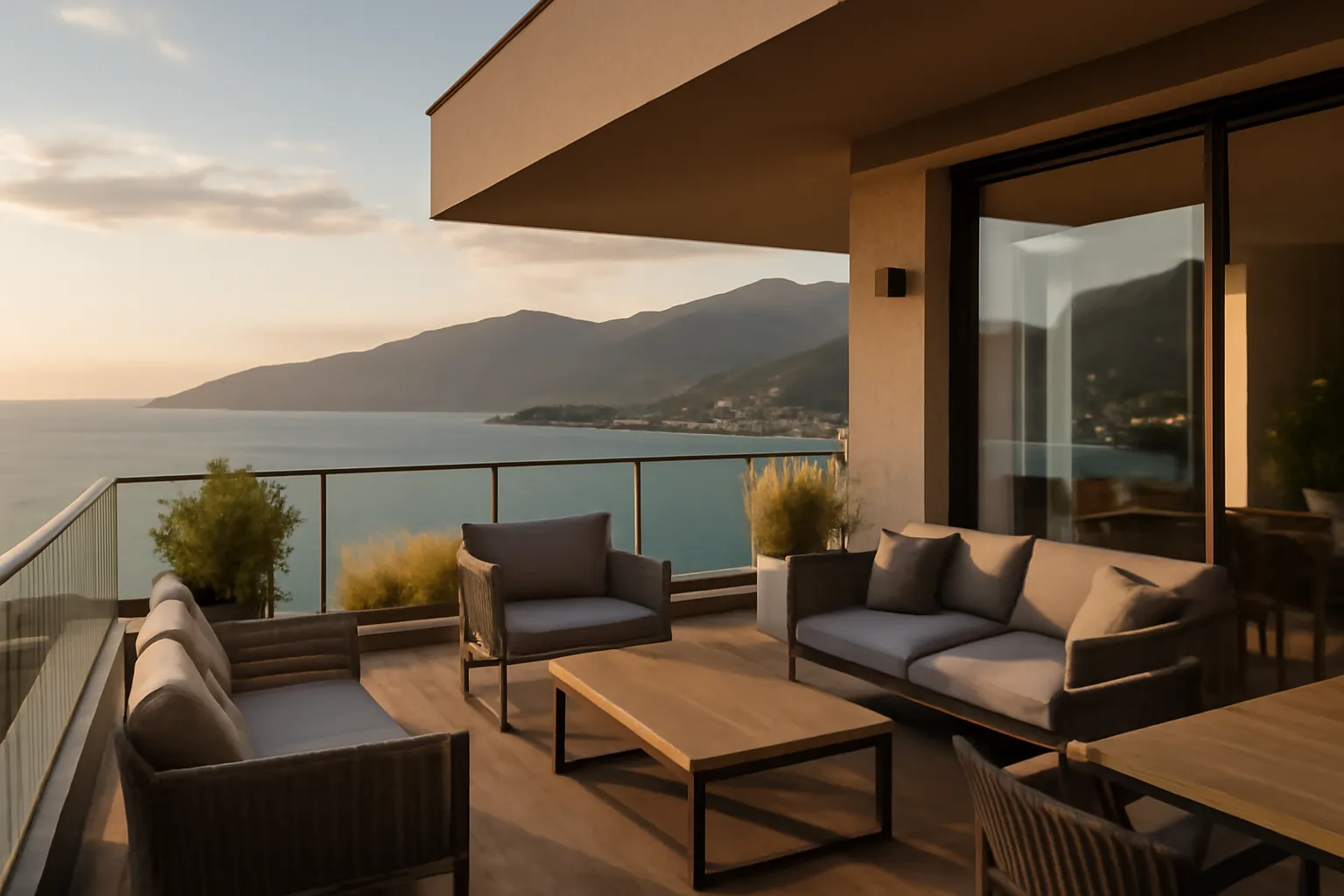
Budva is Montenegro's most active residential property market, drawing international buyers with its Adriatic coastline, well-developed infrastructure, and established rental demand. Whether you are searching for a sea-view apartment, a luxury villa, or a commercial investment, understanding how the Budva property market works is the essential first step.
What Makes Budva Real Estate So Attractive?
Budva sits at the centre of Montenegro's tourism economy, which means property here benefits from two demand streams at once: long-term residents and lifestyle buyers who want a permanent or seasonal home, and investors targeting the short-term rental market during the peak summer months.
The coastal strip — from the Old Town promenade through Slovenska Beach to the upscale enclave of Sveti Stefan — offers some of the most recognisable views in the Adriatic. This geographic variety translates directly into a diverse property mix:
- Old Town (Stari Grad): Stone apartments inside medieval walls, prized for heritage value and year-round tourist footfall.
- Slovenska Obala corridor: Mid- to high-rise seafront buildings, the most liquid segment of the market.
- Becici and Rafailovici: Slightly calmer than the centre, popular with families; typically offer more space per euro.
- Sveti Stefan and Przno: Premium addresses with exclusive villas and boutique residences.
- Inland Budva (Velji Vinogradi, Podkošljun): New residential developments targeting buyers who want proximity to the coast without seafront prices.
What Types of Property Can You Buy in Budva?
Apartments
Apartments make up the majority of the Budva market. Studios and one-bedroom units near the beach attract investors focused on seasonal rental income. Larger two- and three-bedroom apartments in gated complexes with pools appeal to lifestyle buyers and families relocating from Northern or Western Europe, Russia, and the broader CIS region.
New-build apartments from developers are subject to VAT at the standard rate on the first sale; resale properties are instead subject to Montenegro's progressive property transfer tax. Always confirm with a local notary which regime applies to the specific unit you are considering.
Villas and Houses
Detached villas with gardens and pools are available in the hills behind Budva and along the Becici headland. These command a premium over apartments but can generate strong rental yields when professionally managed. Building regulations and zoning rules in Montenegro vary by municipality — verify planning status with a licensed local lawyer before committing to any villa purchase.
Land Plots
Plots range from small building sites within the urban zone to larger rural parcels. Foreign nationals can purchase land in Montenegro; however, agricultural land restrictions and coastal zone regulations can limit what can be built and at what density. Due diligence on a plot takes longer than on a finished unit — budget extra time for this.
Commercial Property
Budva's year-round restaurant trade, retail demand, and hotel pipeline mean there is a functioning commercial property market here. Hospitality-related assets (small hotels, guesthouses, restaurant premises) are the most frequently traded category.
How Does Buying Property in Budva Work for Foreigners?
Foreign nationals — EU and non-EU alike — can purchase real estate in Montenegro with broadly the same rights as citizens. The purchase process follows these main stages:
- Property search and offer — agree a price with the seller (or their agent).
- Preliminary contract (Predugovor) — a deposit, typically around ten percent of the price, is paid to reserve the property. This contract is binding; losing the deposit is the usual penalty if the buyer withdraws without cause.
- Due diligence — a licensed Montenegrin lawyer checks the land registry (katastar), confirms there are no encumbrances, and verifies that planning documents are in order.
- Main sales contract (Kupoprodajni ugovor) — signed before a notary public. The notary authenticates the contract and oversees the transfer process.
- Tax registration and title transfer — the notary submits the contract to the tax authority; transfer tax is assessed and must be paid before the buyer is registered as the new owner in the land registry.
From signed contract to title registration typically takes several weeks, though complex cases (rural land, inherited titles, older properties with incomplete documentation) can take longer.
What Are the Ongoing Costs of Owning Property in Budva?
Beyond the purchase price, budget for:
- Property transfer tax: Progressive rates apply on the secondary market (resale). The rate scales with the assessed value of the property.
- Notary and legal fees: Usually calculated as a percentage of the contract value; get a quote from your notary in advance.
- Annual property tax: Set by the municipality and charged as a percentage of the assessed value each year.
- Utility connection and monthly utilities: Water, electricity, and communal maintenance fees vary significantly depending on the building type and management company.
- Property management: If you plan to rent the property out while you are not in Montenegro, a local management company will charge a fee on rental revenue.
Is Buying in Budva a Good Rental Investment?
Budva's tourism season generates strong short-term rental demand, concentrated in the summer months. Properties close to the sea — particularly one-bedroom and studio units that are easy to manage — perform best in this model.
Rental income in Montenegro must be declared to the Montenegrin tax authority. Non-residents pay tax on rental income; the applicable rate and any deductions available should be confirmed with a local accountant or tax adviser because rules can change.
Longer-term (annual) rentals exist in Budva but the yields are lower than short-term letting. Many owners combine the two: short-term in summer, long-term or vacant in winter.
What Should You Watch Out For?
- Unregistered construction: Some properties in Montenegro were built or extended without formal permits and are not yet legalised. Always check the cadastre entry.
- Shared ownership disputes: Especially in older buildings, ownership can be fragmented among multiple heirs. Insist on a clear title.
- Currency: Montenegro uses the euro (EUR), so there is no exchange-rate risk for eurozone buyers. Non-euro buyers should factor in conversion costs.
- Agent representation: Montenegro has no single mandatory licensing regime for agents. Use an agency with a demonstrable track record and verifiable reviews.
FAQ: Budva Nekretnine
Q: Can a foreign citizen buy property in Budva? A: Yes. Foreign nationals have the right to purchase residential and commercial real estate in Montenegro. Some restrictions apply to agricultural land; for all other categories, the process is open to non-residents.
Q: What taxes apply when buying property in Budva? A: On a resale property, the buyer pays a progressive property transfer tax based on the assessed value. On a new-build purchased directly from a VAT-registered developer, VAT applies instead of transfer tax. Annual municipal property tax is payable every year after purchase.
Q: Do I need a lawyer to buy property in Budva? A: It is not legally mandatory, but it is strongly advisable. A licensed Montenegrin lawyer will verify the title, check for encumbrances, and protect your interests at every stage of the transaction.
Q: How long does the purchase process take? A: For a straightforward resale apartment with a clean title, the process from signed preliminary contract to land registry registration typically takes several weeks. Properties with complex documentation or plot purchases can take considerably longer.
Q: Can I rent out my Budva property when I am not using it? A: Yes. Short-term holiday rental is widely practised and legally permitted. You must register rental activity with the Montenegrin tax authorities and declare the income. Engaging a local property management company simplifies this considerably.
Ready to Explore Budva Properties?
The Budva market rewards buyers who take time to understand the local landscape before committing. Working with experienced local professionals — a reputable agent, a qualified notary, and an independent lawyer — gives you the clearest view of what you are buying and what it will cost in total.
Internal links to explore next: