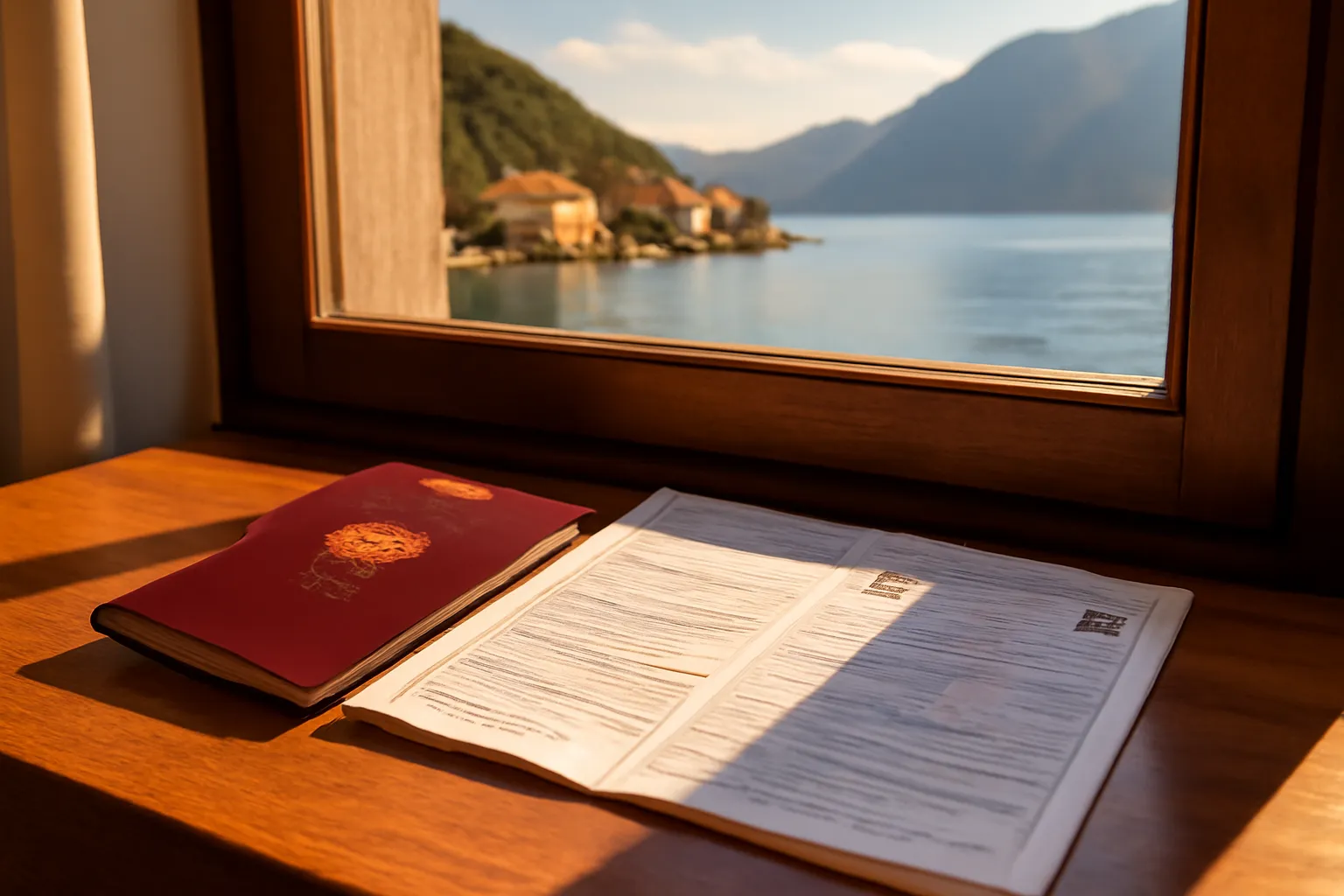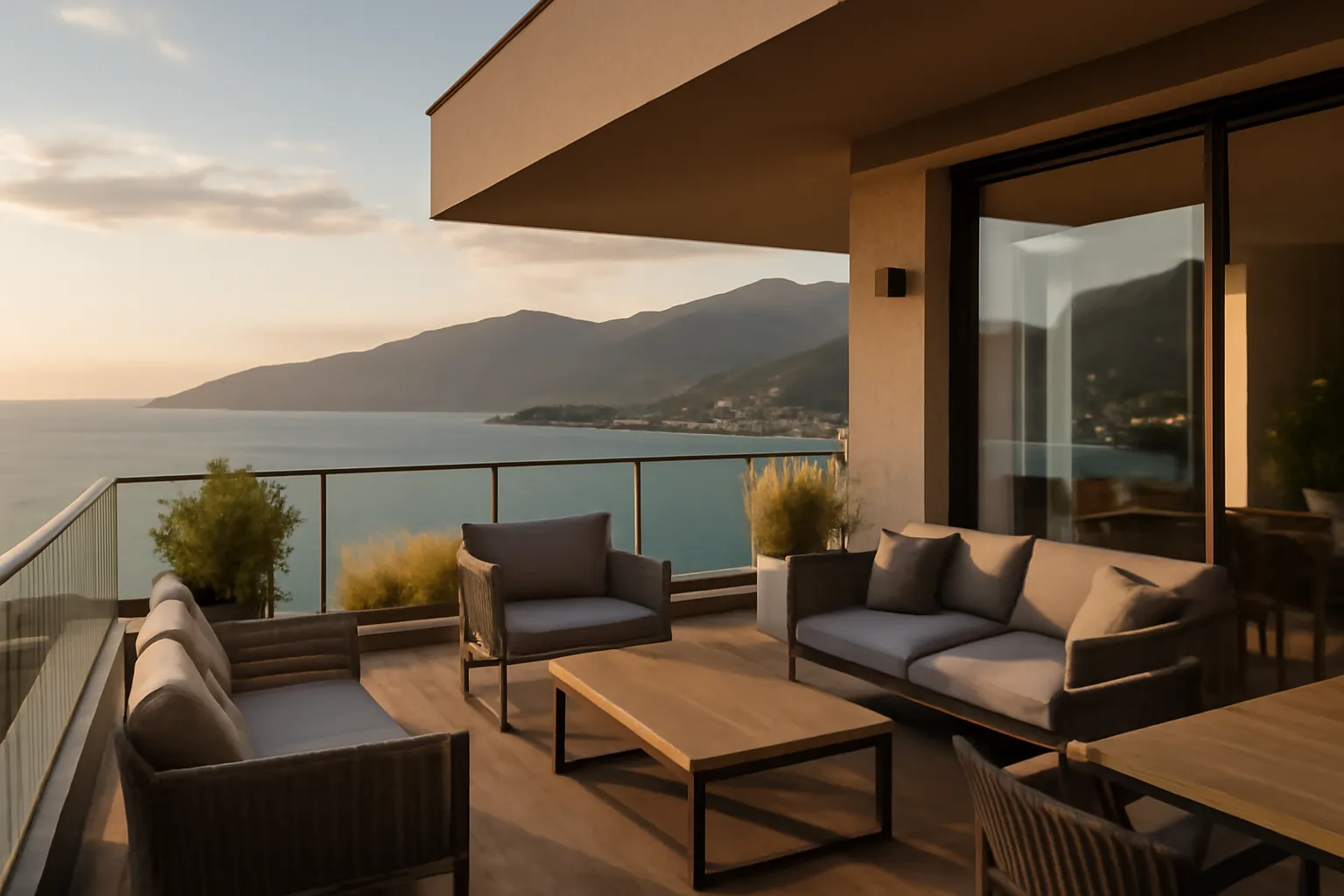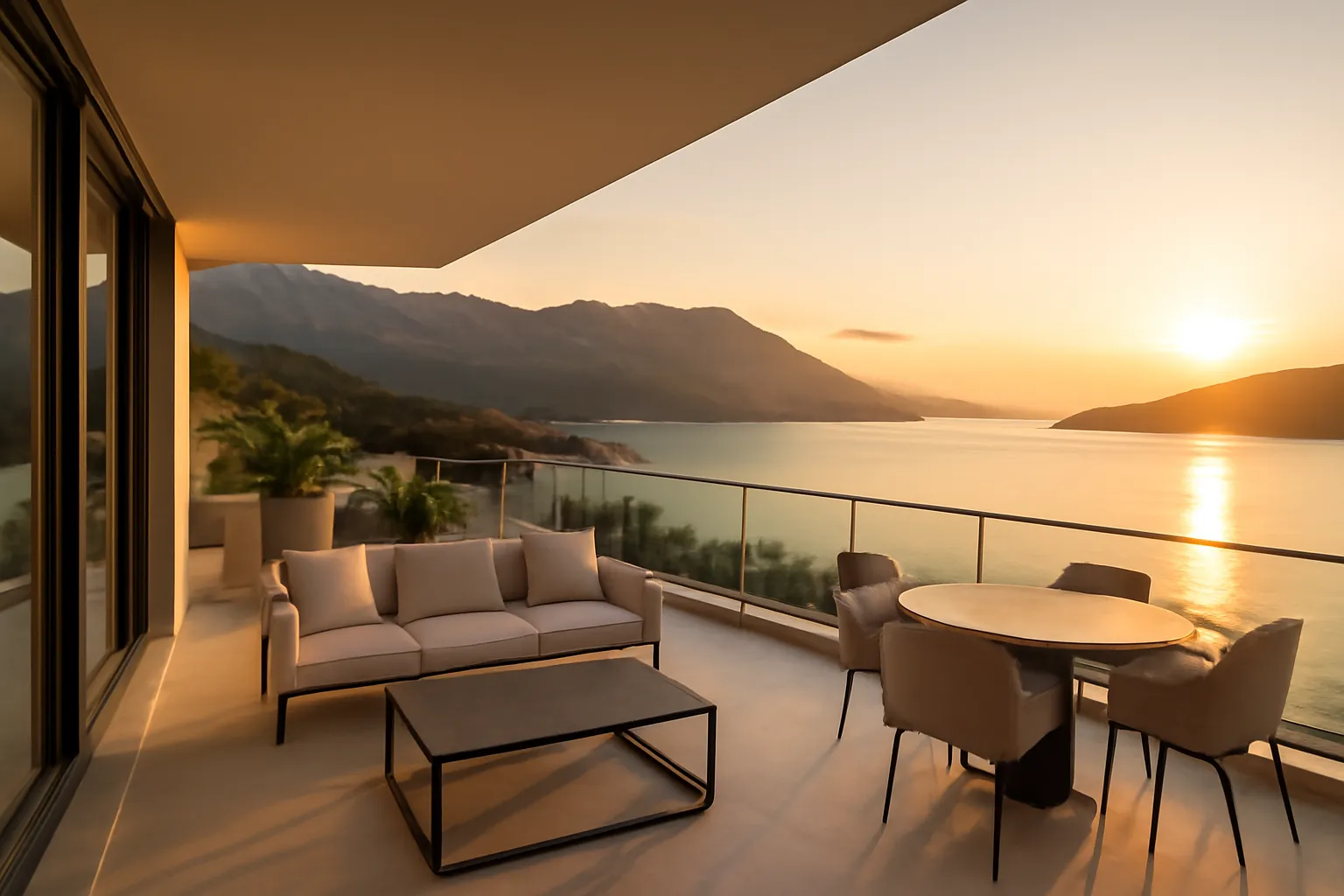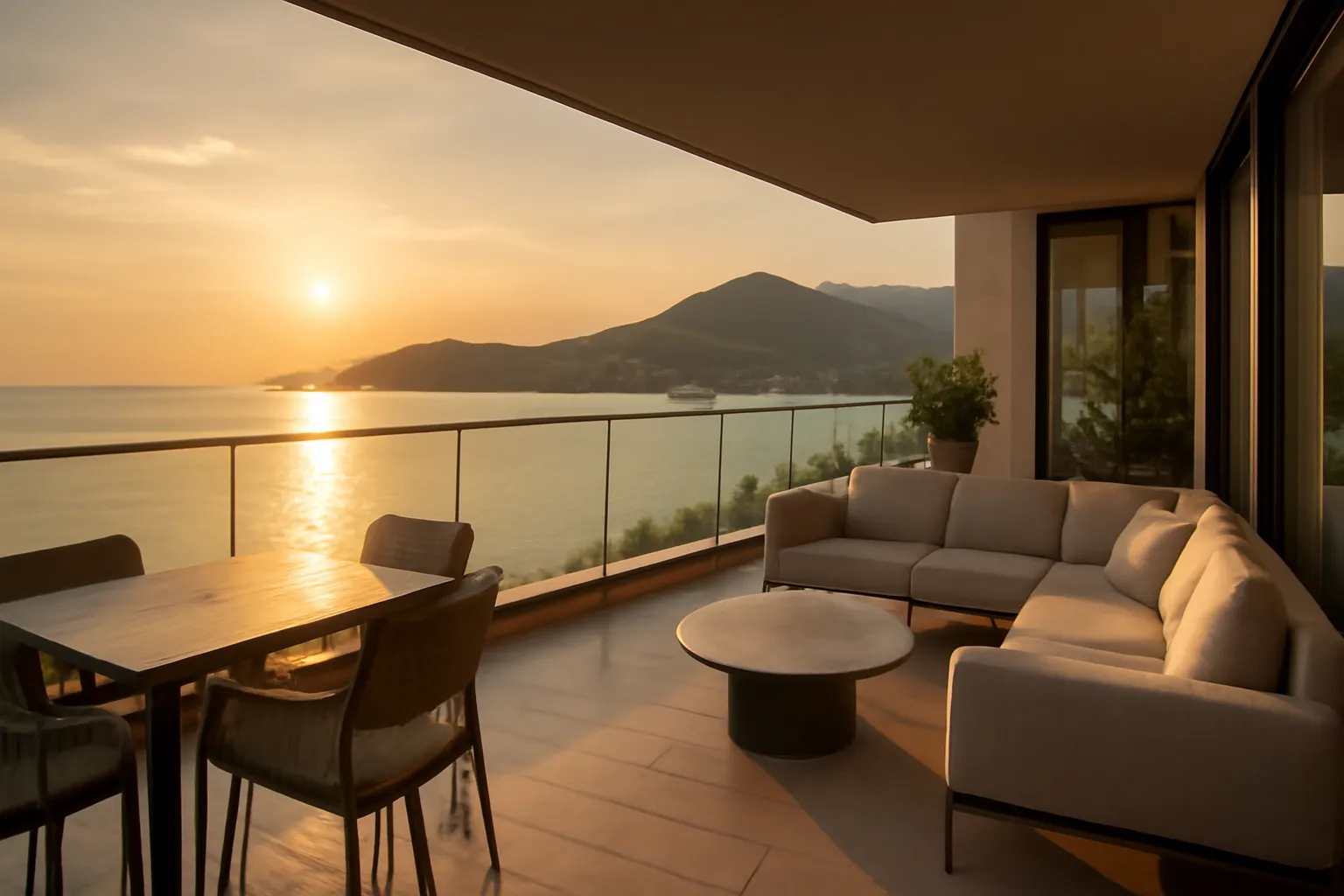
Buying an imanje — a rural estate, farmstead, or country property — in Montenegro gives you a self-contained piece of land with one or more structures, often set against mountain, valley, or coastal scenery. This guide explains what imanje means in the Montenegrin market, how the buying process works, what to watch for legally, and how to find the right property.
What Is an Imanje in the Montenegrin Property Market?
An imanje (plural: imanja) traditionally refers to a smallholding or rural estate: a plot of agricultural or rural land combined with a residential or farm building. In practice, listings labelled imanje prodaja (estate for sale) range from a compact stone cottage with a garden in the hills to a multi-hectare property with outbuildings, orchards, and pasture.
Buyers typically encounter three broad categories:
- Restored stone houses with land — older village homes that have been renovated, often with olive groves or vineyards attached.
- Working smallholdings — active agricultural land with livestock infrastructure and a basic dwelling.
- Development-ready rural plots with structures — land zoned for rural residential use with an existing but upgradeable building.
Because the term is informal rather than a precise legal category, always check the official cadastral record to understand exactly what you are buying.
Why Montenegro Attracts Estate Buyers
Montenegro's combination of relatively accessible prices compared to Western Europe, EU candidate-country status, and dramatic natural variety — Adriatic coastline, Dinaric Alps, and fertile inland valleys — makes rural estate ownership appealing to buyers from across Europe, Russia, and beyond.
Inland municipalities such as Kolašin, Mojkovac, Berane, and Pljevlja offer agricultural land and stone-house estates at accessible price points. Coastal hinterlands around Bar, Ulcinj, and Herceg Novi combine rural character with reasonable proximity to the sea. The Zeta plain and Bjelopavlići valley attract buyers looking for productive agricultural land.
Who Can Buy an Imanje in Montenegro?
Foreign nationals — both EU and non-EU citizens — are legally permitted to purchase property in Montenegro, including rural land. However, there are nuances:
- Residential and commercial buildings: No restrictions for foreign individuals or companies.
- Agricultural land: Foreign individuals cannot directly purchase agricultural land under current legislation. The common legal route is to establish a Montenegrin company (d.o.o.) and purchase through that entity. This structure has associated setup and maintenance costs; obtain advice from a local lawyer before proceeding.
- Forest land: Subject to separate restrictions — specialist legal advice is essential.
If the imanje you want combines a dwelling with agricultural land, your lawyer will need to separate and structure the acquisition carefully.
The Buying Process Step by Step
1. Define Your Requirements and Budget
Clarify the intended use: personal retreat, rental income, agricultural production, or future development. Each goal implies different zoning requirements, infrastructure needs, and due-diligence priorities.
2. Search and Shortlist
Work with a licensed Montenegrin real estate agent who specialises in rural and land properties. Online portals list imanje prodaja across all regions, but many rural properties — especially in inland municipalities — are sold off-market or through local word-of-mouth. A well-connected local agent is valuable here.
3. Legal Due Diligence
This step is non-negotiable on YMYL property purchases and should be handled by an independent Montenegrin attorney (not the seller's or agent's lawyer):
- Cadastral check: Confirm the parcel numbers, boundaries, area, and registered owner in the real property cadastre (Katastar).
- Title search: Verify there are no mortgages, liens, easements, or disputes on record.
- Zoning and planning: Check the municipal spatial plan to confirm permitted uses, building rights, and any nature-protection overlays (national park buffer zones are common in Montenegro).
- Agricultural classification: Understand whether any portion is classified P1 or P2 agricultural land — this affects who can hold it and what can be built.
- Access rights: Confirm legal road access to the property; many rural parcels have informal tracks that lack formal right-of-way.
4. Preliminary Agreement (Predugovor)
Once due diligence is satisfactory, buyer and seller sign a preliminary contract. A deposit — typically around ten percent of the agreed price — is paid at this stage. If the buyer withdraws without cause, the deposit is usually forfeited; if the seller withdraws, they customarily return double the deposit.
5. Notarisation and Transfer
The final sale contract must be solemnised by a Montenegrin notary (notar). Both parties (or their authorised representatives via power of attorney) must appear. The notary verifies identity, the contract terms, and the cadastral situation before certifying the document.
6. Registration and Taxes
After notarisation, the buyer (or their representative) submits the documents to the relevant cadastral office to register the transfer of ownership.
Transfer tax: Montenegro applies a progressive real property transfer tax on secondary-market transactions — the rate increases as the assessed value rises. The tax applies to resale properties; new-build purchases from VAT-registered developers attract VAT instead of transfer tax.
Annual property tax: Owners pay an annual property tax set by the municipality, calculated as a percentage of the assessed value. Rates vary between municipalities.
Company route: If acquiring through a Montenegrin d.o.o., factor in company setup fees, annual accounting obligations, and corporate tax compliance.
Key Factors That Affect Imanje Prices
Rural estate prices in Montenegro vary widely depending on:
- Location and accessibility — proximity to a main road, town, or the coast significantly affects value.
- Building condition — a fully restored stone house commands a substantial premium over an uninhabitable ruin.
- Land area and classification — the mix of residential, agricultural, and forest land in the parcel matters.
- Utilities — connection to mains electricity, water supply, and a septic or sewage system each add value; off-grid properties require more investment.
- Views and terrain — sea-view or mountain-view properties attract a premium even in rural settings.
Request a comparative market analysis from your agent and commission an independent valuation if the asking price is unclear.
Restoration and Planning Considerations
Many rural estates in Montenegro include older stone buildings that require substantial renovation. Before committing:
- Obtain a structural survey from a qualified engineer.
- Check whether the existing building has a valid use permit (upotrebna dozvola). Properties without one can be difficult to sell or finance later.
- Understand the permitting process for renovation or new construction on rural land — it varies by municipality and zoning category.
- Budget for utility connection costs if the property is currently off-grid.
Frequently Asked Questions
Can a foreigner own agricultural land in Montenegro?
Foreign individuals are currently restricted from directly owning agricultural land. Purchasing through a locally registered company (d.o.o.) is the standard legal solution — consult a Montenegrin lawyer to structure the acquisition correctly for your situation.
What does imanje prodaja mean in property listings?
It translates as "estate for sale" or "farmstead for sale" and typically describes a rural property combining land — often agricultural or mixed — with one or more buildings. The exact composition varies; always check the cadastral record.
How long does the purchase process take in Montenegro?
From signed preliminary agreement to completed cadastral registration, the process typically takes between one and three months, depending on the complexity of the title, the speed of notarial scheduling, and any company-formation requirements.
Is it safe to buy a rural property remotely with a power of attorney?
Yes, provided the power of attorney is properly drafted and authenticated. Many international buyers use a Montenegrin lawyer as their authorised representative. Choose an independent attorney, not one recommended solely by the seller or agent.
What ongoing costs should I budget for an imanje?
Allow for annual property tax (varies by municipality), utility bills, property insurance, maintenance of buildings and land, and — if held through a company — annual accounting and compliance costs.