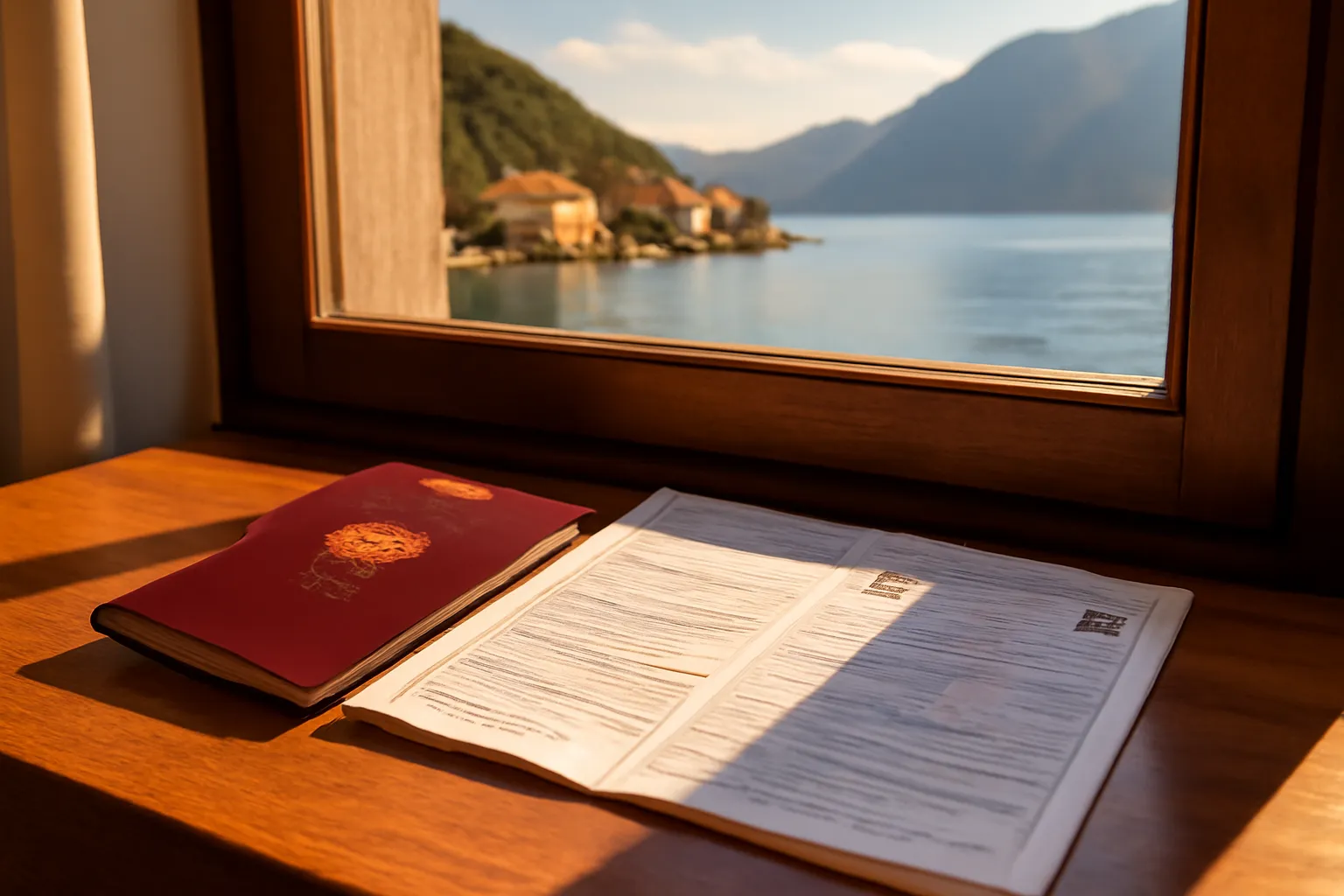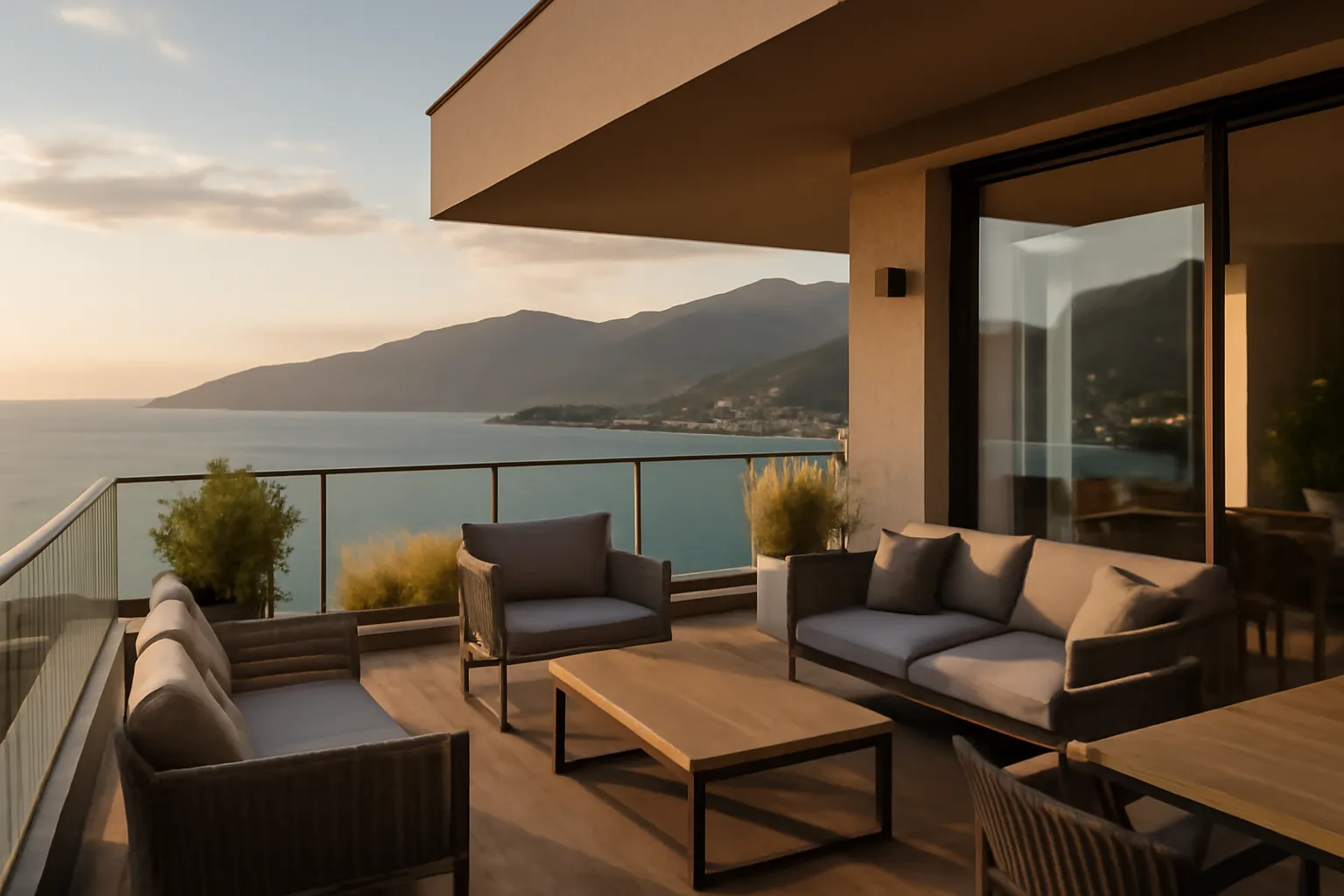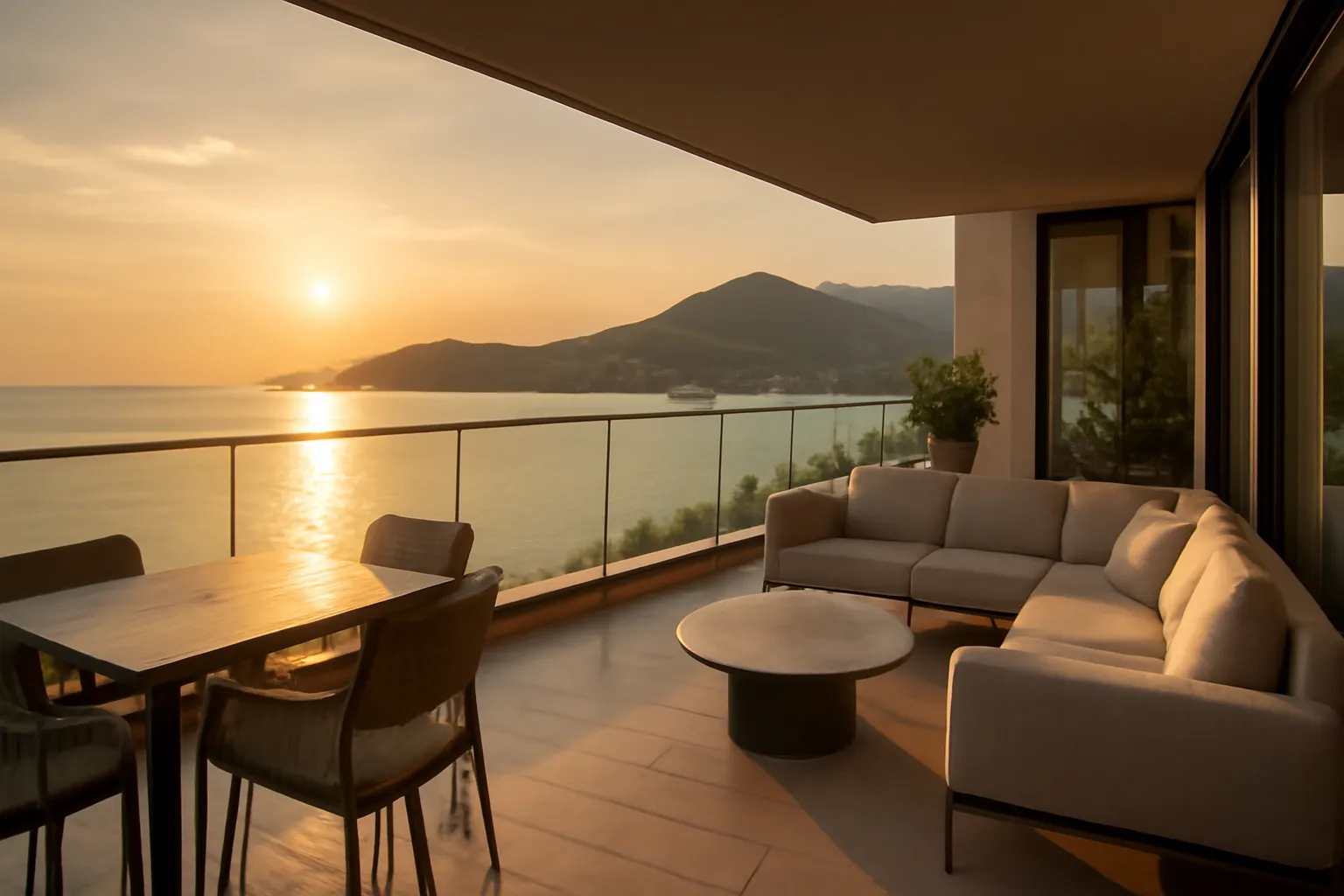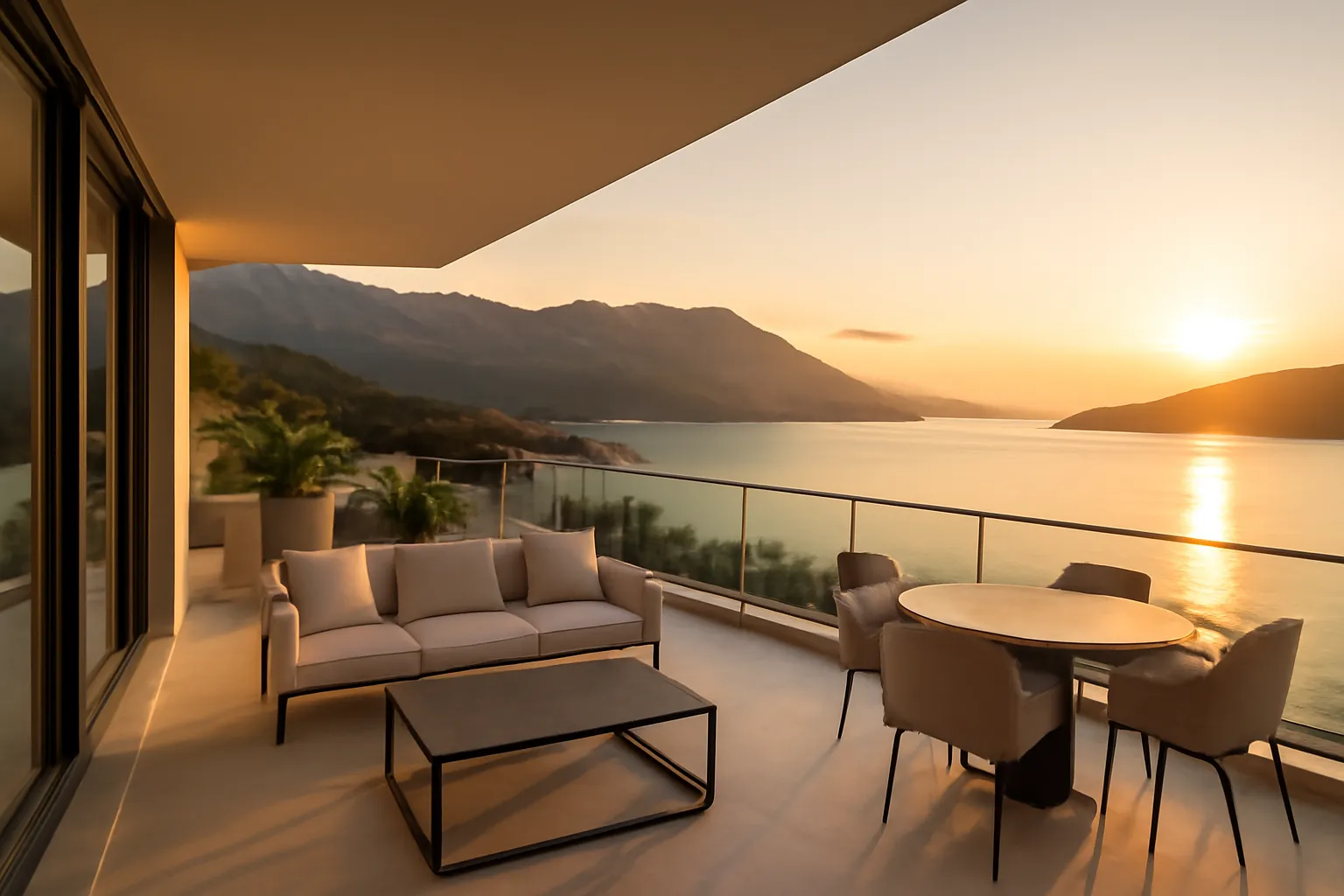
Kotor consistently ranks among the most sought-after locations for property buyers in Montenegro — a walled medieval city on a UNESCO-protected bay where demand for both residential and investment property remains strong across all buyer profiles.
Why Buyers Choose Kotor for Property Investment
Few European destinations combine heritage, coastline, and accessibility the way Kotor does. The old town sits within Venetian-era stone walls, the bay stretches for miles in every direction, and international charter flights land at Tivat Airport just a short drive away. For cross-border buyers this combination — southern European lifestyle, relatively accessible entry prices compared with the Adriatic rivals further north, and a stable legal framework for foreign ownership — makes Kotor a genuinely compelling case.
Montenegro's EU accession process adds a further layer of long-term confidence. Buyers who purchase now are positioning themselves in a country that is actively aligning its legal and financial systems with European standards, which historically has supported property values in candidate countries over the accession cycle.
What Types of Property Are Available in Kotor?
Apartments in the Old Town and City Walls
Stone apartments inside the old town are among the most distinctive — and most limited — properties in the entire country. Supply is structurally constrained because the settlement is a protected UNESCO site, which means new construction is not permitted. Every unit that comes to market is a renovation project or a completed refurbishment. Sizes tend to be compact, character is exceptional, and buyer competition is consistent. These properties appeal primarily to buyers seeking a pied-à-terre, a short-term rental asset, or a pure lifestyle purchase.
Apartments in the Wider Kotor Municipality
Beyond the walls — in areas such as Dobrota, Prcanj, Muo, and the newer residential zones on the hillsides above the bay — the choice widens significantly. Modern apartment buildings, purpose-built resort complexes, and converted period homes all appear in this part of the market. Layouts range from studio units to multi-bedroom penthouses with panoramic bay views. Buyers have far more scope here for price negotiation and for finding properties in move-in condition without the renovation overhead of old-town stock.
Villas and Houses on the Bay of Kotor
Detached villas and stone houses with direct or near-direct bay access are among the most prestigious properties in Montenegro. Dobrota, the longest settlement on the bay, is particularly well regarded: the coastal promenade, period palaces, and clear water create an atmosphere that serious lifestyle buyers return to again and again. Plots with building permits in this zone are rare and command significant premiums when they do appear.
Land and Development Plots
Buyers with a development or self-build ambition will find land opportunities in the hillside zones and along secondary roads above the bay. Plot prices vary considerably depending on whether a permit is in place, how steeply the terrain rises, and how close the site sits to an established access road. Due diligence on permit status is critical — always confirm this with a licensed Montenegrin lawyer before committing.
Commercial Property
Kotor's tourism economy generates consistent demand for commercial assets: restaurant premises in the old town, boutique hotel buildings, retail units along the waterfront, and guesthouses in the surrounding villages. Commercial buyers should factor in seasonal revenue patterns when modelling returns, and engage an accountant familiar with Montenegrin business taxation before completing.
How Does the Buying Process Work for Foreign Buyers?
Montenegro allows foreign nationals (both EU and non-EU citizens) to purchase residential and commercial real estate with no restrictions in terms of ownership structure. The legal framework treats foreign buyers and domestic buyers equivalently for residential property.
The typical transaction sequence runs as follows:
- Property search and viewing — identify candidates, arrange site visits, review cadastral documentation.
- Pre-contract (predugovor) — a preliminary agreement that reserves the property, usually accompanied by a deposit of around ten percent of the agreed price. The pre-contract should be reviewed by your lawyer before signing.
- Due diligence — your lawyer checks the cadastral registry (katastar) for clean title, confirms there are no encumbrances or liens, verifies building permits where relevant, and reviews the seller's legal standing.
- Main purchase contract (kupoprodajni ugovor) — signed before a Montenegrin public notary. Both parties sign; the notary certifies and archives the document.
- Tax and registration — for secondary-market properties, transfer tax applies on a progressive scale (rates are set by law and your notary or lawyer will confirm the current applicable figures at the time of your purchase). On new-build first sales by a VAT-registered developer, VAT is applied instead of transfer tax. Your lawyer then registers the new ownership in the cadastral registry.
Timeline from signed pre-contract to registered ownership typically runs several weeks to a few months depending on title complexity and municipal processing times.
What Do Properties in Kotor Cost?
Prices in Kotor vary across a meaningful range depending on location, condition, view, and property type. Old-town stone apartments and bay-front villas command the highest per-square-metre values in the municipality — and among the highest in all of Montenegro. Properties on hillside plots or in less central residential zones offer more competitive entry points. Rather than quoting specific figures that shift with market conditions, we recommend requesting a current comparative market analysis from our advisers, who track live listings and completed transactions across the Kotor area.
As a general orientation: expect a material premium for old-town addresses, bay views, and turnkey condition. Properties requiring significant renovation, or those set back from the water, are priced accordingly.
Key Questions Every Buyer Should Ask Before Purchasing
Is the title clean? Cadastral checks are non-negotiable. Montenegro's registry has improved significantly but historical complications — especially with inherited property — do arise.
Does a building permit exist for any constructed elements? Unpermitted additions can complicate resale and financing.
What are the ongoing costs? Annual property tax is levied by the municipality, utility connection fees vary by location, and maintenance of stone properties can be higher than modern construction.
What are the rental dynamics? If you intend to let the property, review the seasonal demand profile for your chosen zone. Old-town properties typically perform well for short-term lets; longer-stay tenants are more common in residential areas further from the tourist core.
Do I need a local company? For agricultural land, foreign buyers must use a Montenegrin-registered entity. For standard residential and commercial property, direct personal ownership is straightforward.
Working With a Local Real Estate Agency in Kotor
A locally experienced agency is not optional in this market — it is the practical means by which most successful cross-border buyers navigate property search, negotiation, legal coordination, and post-purchase management. The Kotor market includes a proportion of off-market listings that circulate only through established agency relationships; relying solely on public portals leaves buyers working with an incomplete picture.
Our team at Top Estate covers the full Kotor municipality and Bay of Kotor, with listings spanning old-town apartments, bay-front villas, and investment-grade commercial assets.
FAQ: Kotor Real Estate for Sale
Can a foreign citizen buy property in Kotor without restrictions? Yes. Montenegro permits foreign nationals to purchase residential and commercial real estate directly in their own name. There are no nationality-based restrictions for this property category.
Is Kotor old town a good investment? The UNESCO protection that limits new supply also underpins long-term value. Old-town properties have historically shown resilience because the inventory cannot expand. That said, renovation costs and rental regulations in protected areas should be assessed carefully before purchase.
How long does a property transaction take in Montenegro? From signed pre-contract to completed registration, most straightforward transactions complete within one to three months. Complex title situations or municipal delays can extend this.
Do I need a Montenegrin lawyer? Strongly recommended. A licensed local lawyer reviews the contract, conducts the cadastral due diligence, liaises with the notary, and manages the registration. Legal fees are modest relative to the protection they provide.
What taxes apply when buying property in Kotor? Secondary-market properties attract a progressive transfer tax payable by the buyer; new-build first sales by a VAT-registered developer are subject to VAT instead. Your notary and lawyer will confirm the applicable rate for your specific transaction under current law.