Montenegro offers one of Europe's most compelling combinations for those seeking a new home abroad: Mediterranean coastline, mountain wilderness, a relatively low cost of living, and a straightforward path to property ownership for foreign nationals. Whether you are considering a permanent move, a seasonal base, or a long-term investment, this guide covers what everyday life in Montenegro actually looks like.
What Is Life Like in Montenegro Day to Day?
Life in Montenegro moves at a pace that most expats describe as genuinely relaxed without feeling stagnant. Coastal towns like Budva, Kotor, and Herceg Novi hum with activity from late spring through early autumn, then settle into a quieter rhythm over winter — a contrast that many residents actively choose. Inland cities, particularly Podgorica, operate as year-round urban centres with modern retail, international restaurants, co-working spaces, and a growing professional community.
The country is small enough that a drive from the Adriatic coast to the ski slopes of Kolašin takes roughly two hours, which means residents can genuinely access both lifestyles without relocating.
How Much Does It Cost to Live in Montenegro?
Montenegro sits noticeably below Western European living costs for most everyday expenses, though the gap is narrowing in prime coastal areas as demand from international buyers has pushed property prices and rents upward.
Groceries and food: Local markets sell fresh produce, dairy, and meat at prices well below those found in most EU capitals. International supermarkets in larger towns carry imported goods at closer to European prices.
Dining out: A meal at a local konoba (traditional restaurant) is genuinely affordable. Beachfront or tourist-facing restaurants in high season charge closer to Dubrovnik or Montenegrin Riviera prices, which are still moderate by Western standards.
Utilities: Electricity, water, and internet combined tend to be manageable for a standard apartment. Montenegro uses the euro as its currency, so there is no currency conversion risk for euro-based budgets.
Transport: Public transport links exist between major towns, though many expats find a car essential, especially outside Podgorica and the Riviera strip. Fuel prices broadly track European averages.
Overall, a couple living comfortably — renting a furnished apartment, dining out several times a week, running a car — can sustain a lifestyle that would cost considerably more in France, Italy, or Germany.
Where Should You Live in Montenegro?
The Budva Riviera
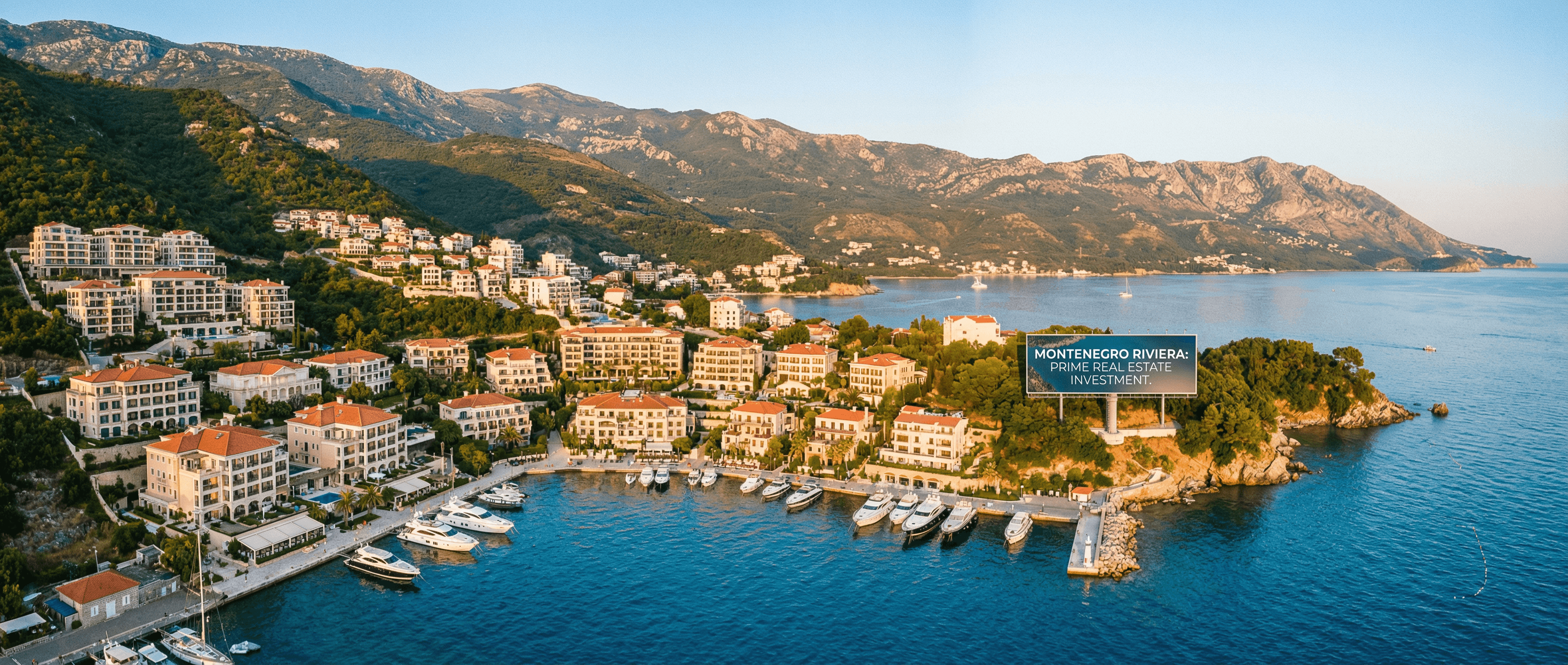
Budva is Montenegro's most internationally recognised coastal destination and the most active real estate market. It suits buyers and renters who want beach access, nightlife, a dense expat community, and strong short-term rental potential if they choose to let when absent. High season is vibrant; off-season is noticeably quieter but increasingly popular among digital nomads and remote workers.
Kotor and the Bay of Kotor
Kotor's UNESCO-listed old town and the surrounding Bay draw buyers who prioritise history, architecture, and a more boutique atmosphere. Property here tends to be tightly held, which supports values over time. The Bay villages — Perast, Dobrota, Prčanj — appeal to those wanting space, water views, and a calmer pace than central Budva.
Herceg Novi
At the northern entrance to the Bay, Herceg Novi offers a more relaxed lifestyle with lush greenery, a loyal expat community, and historically lower property prices than Budva or Kotor. It is gaining attention from buyers looking for value without sacrificing coastal access.
Podgorica
Montenegro's capital is practical rather than picturesque. Expats here are typically drawn by professional opportunities, international schools, hospital access, or a preference for city infrastructure over resort-town seasonality. Property is generally more affordable than the coast.
The Mountains: Kolašin, Žabljak, Bjelasica
For skiing in winter and hiking in summer, Montenegro's mountain towns attract a different buyer profile — often those seeking holiday homes or eco-tourism investments rather than primary residences, though year-round living here is entirely feasible.
Can Foreigners Buy Property in Montenegro?
Yes. Foreign nationals — including non-EU citizens — can purchase property in Montenegro without restriction (with limited exceptions for agricultural land and protected zones, which require local legal advice). The buying process involves signing a preliminary contract, conducting due diligence, paying a notary fee, and registering the transfer with the cadastral (land registry) authority.
Transfer tax on secondary market purchases is progressive: lower-value properties attract a lower rate, while higher-value transactions attract a higher percentage. New-build purchases from a VAT-registered developer are subject to VAT rather than transfer tax. An annual property tax is also levied by the municipality at a rate that varies by location and property type.
Engaging a reputable local lawyer before signing anything is strongly advised. Montenegro's property law is accessible to foreigners, but due diligence on title clarity is essential.
What Is the Healthcare System Like?
Montenegro has a public healthcare system funded through contributions, which residents registered with the tax authority can access. Private clinics operate in Podgorica, Budva, Kotor, and other main centres and are widely used by expats for routine consultations and specialist visits, typically at fees well below comparable private care in Western Europe.
For serious procedures, some expats opt to travel to neighbouring countries. Comprehensive international health insurance is recommended for anyone not covered by the Montenegrin public system, particularly in the early months of residency.
How Do Residency and Visas Work?
Citizens of many countries — including EU/EEA states, the UK, and the US — can enter Montenegro visa-free for stays of up to 90 days within a 180-day period. For longer stays, a temporary residency permit is required.
Common grounds for temporary residency include:
- Property ownership — owning registered property in Montenegro supports a residency application
- Employment by a Montenegrin company
- Business registration — starting or owning a company
- Family reunification
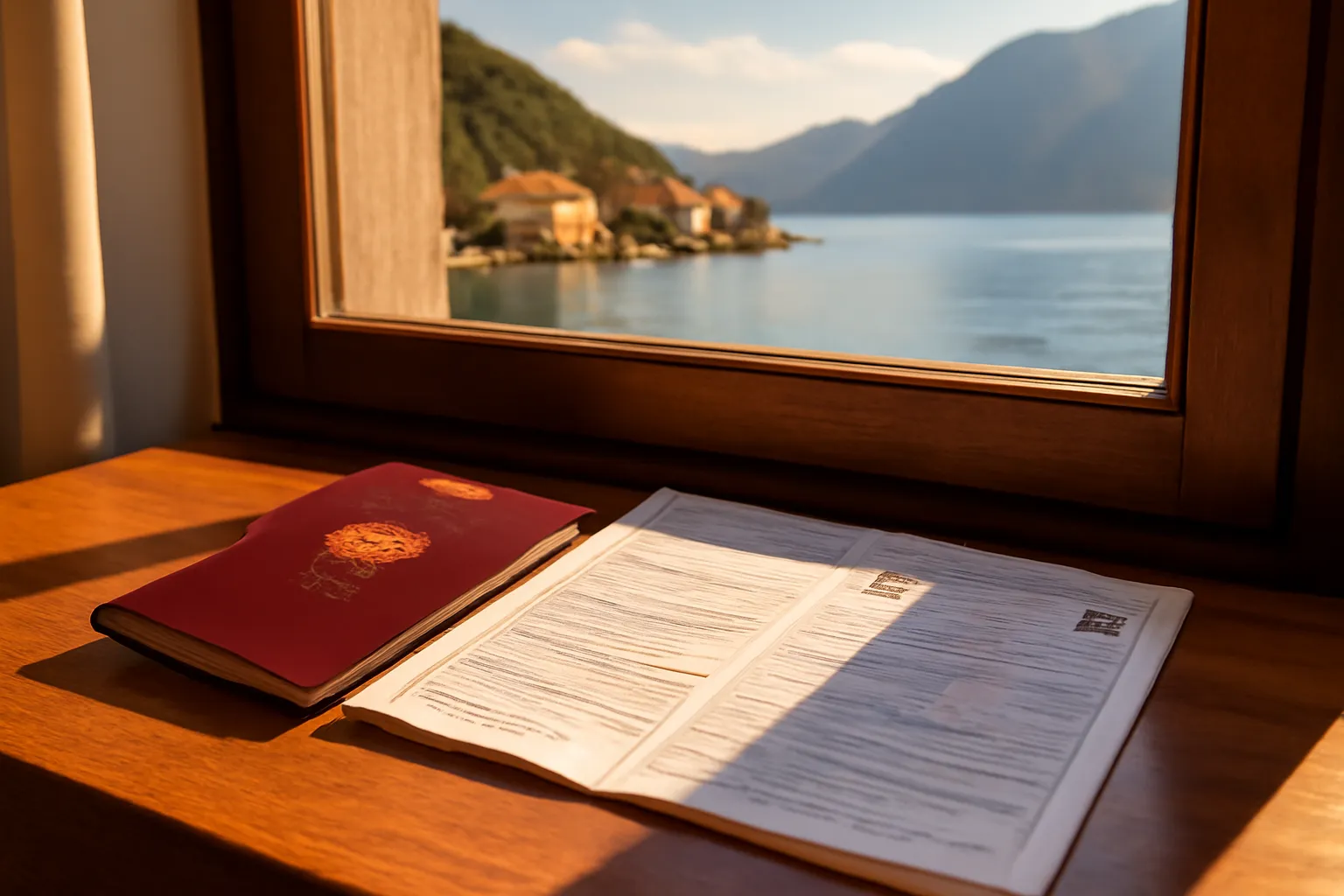
Residency permits are typically granted for one year initially and are renewable. Montenegro is not an EU member state (it is an EU candidate country), so Montenegrin residency does not confer EU rights, but it does allow visa-free travel to a number of countries and is appealing in its own right for those seeking a stable base outside the EU.
What Are Schools and Education Like for Families?
Podgorica has the largest concentration of international and bilingual schooling options. Several private schools offer instruction in English and other languages, following internationally recognised curricula. Coastal areas have seen private educational options expand in recent years as international families have settled more permanently.
The public schooling system is conducted in Montenegrin and is an option for children who become fluent in the language over time.
What Is the Expat Community Like?
Montenegro has attracted a diverse expat mix — Russians, Ukrainians, Serbians, British, German, and increasingly remote workers from across the EU and beyond. The coastal strip has the densest international community, with informal networks, Facebook groups, and organised social events making it relatively easy to build connections. Podgorica has a smaller but established professional expat community.
Language is rarely a barrier: English is widely spoken in tourist areas and among younger Montenegrins across the country, and most administrative interactions can be navigated with a local lawyer or agent assisting where needed.
FAQ
Is Montenegro safe to live in?
Montenegro is generally considered a safe country for residents and visitors. Petty crime occurs in busy tourist areas as in any destination, but violent crime affecting foreigners is uncommon. Standard urban precautions apply.
Do I need to speak Montenegrin to live there?
Not to get started. English is widely used in expat-heavy areas, and the property-buying and residency processes can be managed with legal and administrative support. Learning basic Montenegrin is appreciated locally and practical for daily life outside tourist zones.
Can I rent out my property when I am not using it?
Yes. Short-term rental through platforms like Airbnb is common and can generate meaningful income, particularly for coastal properties during the summer season. Registration with local authorities and tax obligations apply, so advice from a local accountant is recommended.
What currency does Montenegro use?
Montenegro uses the euro, despite not being an EU member. This eliminates currency exchange complications for euro-based buyers and makes budgeting straightforward.
How long does the property-buying process take?
A straightforward purchase — from agreed price to completed registration — typically takes between four and eight weeks, depending on the complexity of title checks, financing arrangements, and administrative scheduling. Transactions involving older or rural properties may take longer.