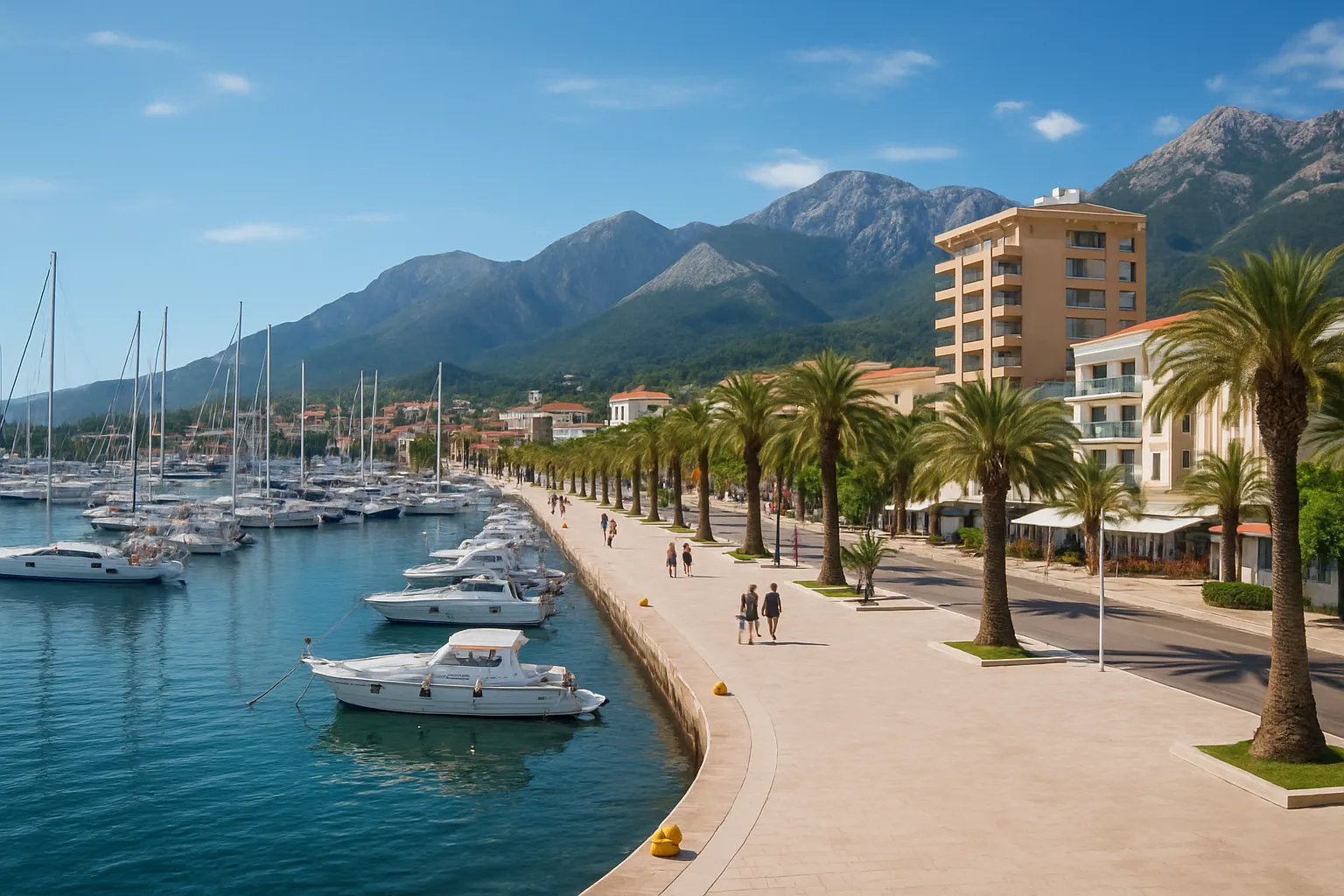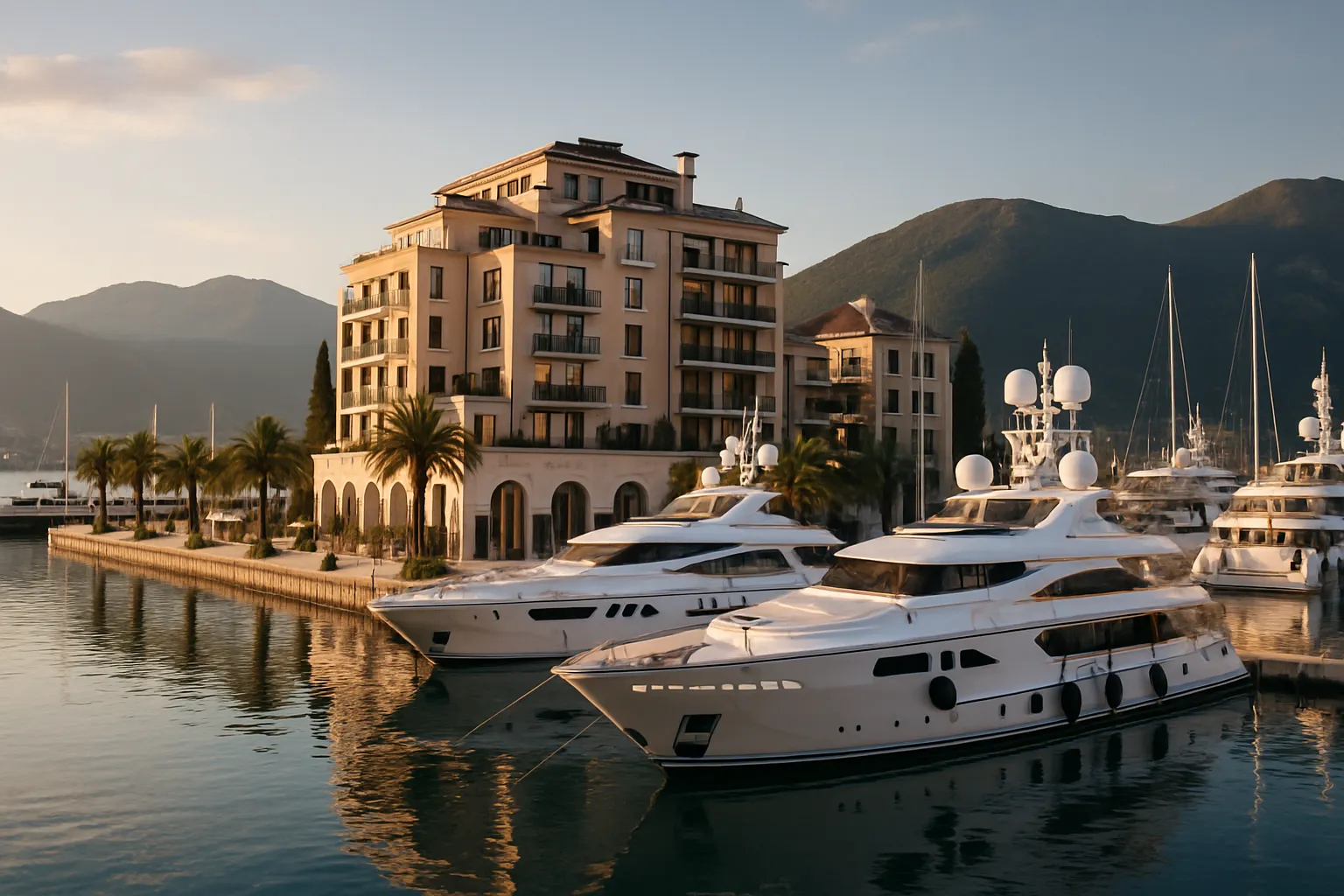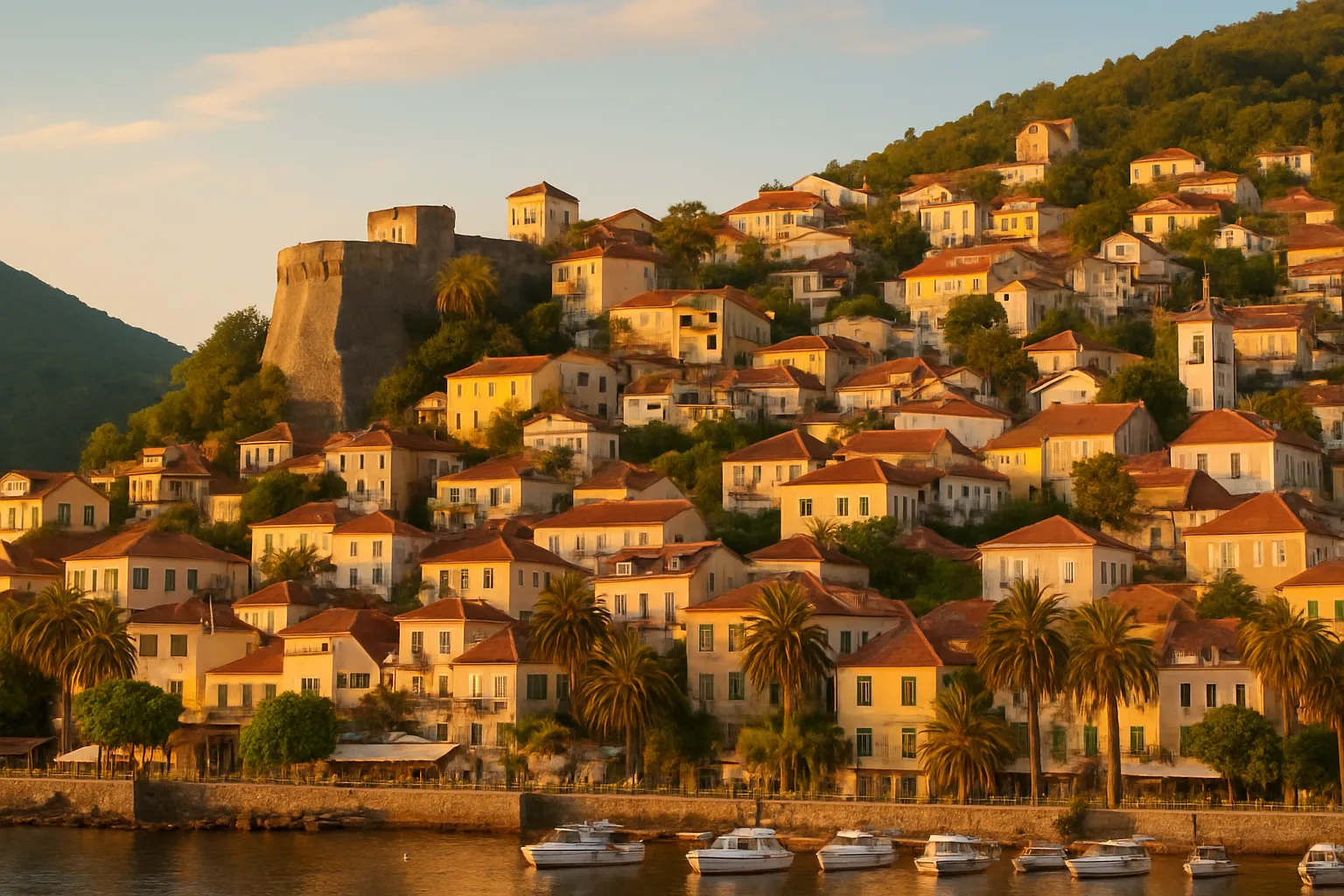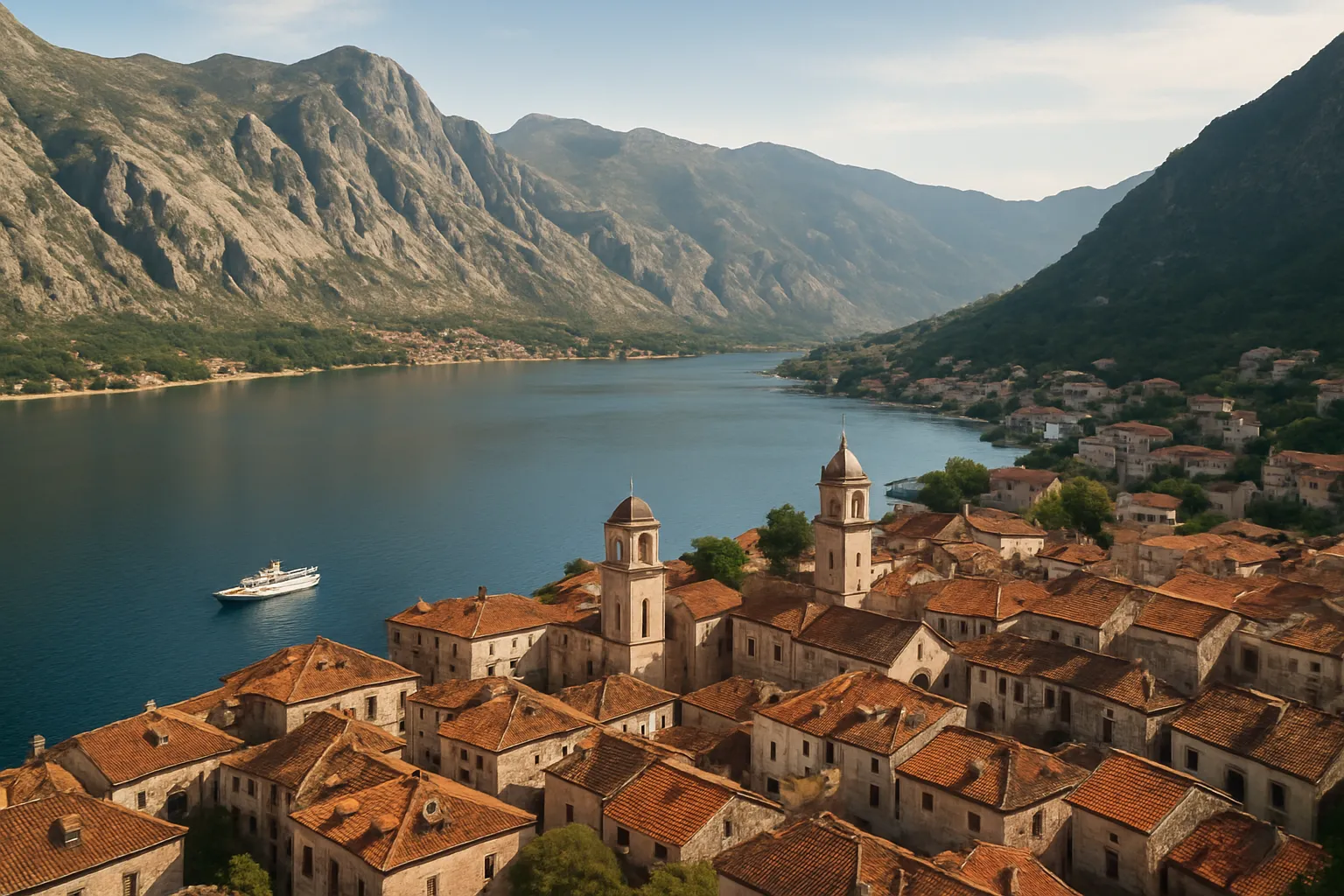
Browse apartments, villas, and houses for sale in Kotor, Montenegro. UNESCO Old Town charm, bay-front homes, new builds — full buyer guide for foreign nationals.
Kotor is one of Montenegro's most sought-after locations for residential and investment property, offering UNESCO-listed Old Town charm, a sheltered Adriatic bay, and a well-established market for both foreign and domestic buyers. Whether you are looking for a compact apartment inside the medieval walls, a sea-view villa on the Bay of Kotor, or a commercial unit in the tourist corridor, Kotor delivers a rare combination of heritage, lifestyle, and long-term value.
What makes Kotor a top choice for property buyers?
Few places in the Mediterranean combine a fortified medieval city, dramatic mountain scenery, and a calm, navigable bay within a single postcode. Kotor's Old Town holds UNESCO World Heritage status, which caps density and protects views — a structural brake on oversupply that supports property values over time.
Beyond aesthetics, the region has strong practical foundations for buyers: direct international flights to nearby Tivat Airport, a growing marina economy, a lively year-round restaurant and cultural scene, and a municipality that actively courts tourism infrastructure investment. These factors make Kotor attractive to lifestyle buyers, rental investors, and those seeking a European base that offers residency pathways.
What types of property are available in Kotor?
Old Town apartments
Stone apartments inside the medieval walls are the most iconic — and most constrained — segment of the Kotor market. Supply is genuinely limited by the UNESCO perimeter, which means well-restored units hold their value consistently. These properties suit buyers who prioritise character, walkability, and short-term rental yield during the summer season.
Bay-front and hillside villas
The villages and hillside settlements ringing the Bay of Kotor — including Dobrota, Prčanj, Stoliv, and Muo — offer detached houses and villas, many with private terraces, gardens, and direct water frontage. These are typically larger than Old Town apartments and attract buyers looking for primary or secondary residences with panoramic sea views.
New-build developments
Modern residential developments have expanded in the wider Kotor municipality, particularly on elevated plots above the bay and in the direction of Tivat. These units offer contemporary finishes, parking, and building warranties, and are usually sold by VAT-registered developers. Under Montenegrin law, the first sale of a new-build by a registered developer attracts VAT at the standard rate; in that case no property transfer tax applies — it is one or the other, never both.
Land and development plots
Plots with building permits or in designated construction zones are available across the municipality. These suit buyers who want to design from scratch or developers seeking small residential projects. Due diligence on planning classification is essential before committing.
Commercial property
Kotor's tourist footfall supports a healthy market in commercial units — ground-floor retail and restaurant spaces in the Old Town, hospitality assets on the waterfront, and mixed-use properties in the wider municipality. Commercial buyers should factor in specific licensing requirements for hospitality use.
How does the buying process work for foreign nationals?
Montenegro imposes no restriction on foreign nationals purchasing property. The buying process broadly follows these stages:
- Property search and offer — identify the property, agree a price, and sign a preliminary contract (predugovor) with a deposit, typically around ten percent of the agreed price.
- Legal due diligence — a Montenegrin notary or lawyer verifies title, checks for encumbrances, confirms planning status, and reviews the cadastre entry.
- Notarised sale contract — the final ugovor o kupoprodaji is signed before a notary and the transfer is registered with the State Cadastre Authority (RGZ).
- Transfer tax or VAT — on the secondary market, the buyer pays a progressive property transfer tax: the rate is lower on the portion of value up to €150,000, higher on the portion between €150,000 and €500,000, and higher still above €500,000. On a first-sale new-build from a VAT-registered developer, VAT applies instead, as noted above.
- Annual property tax — once registered, the owner pays an annual property tax set by the municipality, within a range prescribed by national law. The exact rate varies by municipality and property type.
Using a qualified local lawyer independent of the seller is strongly recommended, particularly for Old Town properties where historic title records can be complex.
What should buyers know about the Kotor rental market?
Kotor's tourism season is long by regional standards, and short-term rental demand is robust from late spring through early autumn, with a secondary shoulder season around Christmas and New Year. Old Town apartments command premium nightly rates due to scarcity; bay-front villas attract families and groups seeking longer stays.
For buyers targeting rental income, proximity to the Old Town gates, sea views, and parking availability are the primary value drivers. Montenegro's legal framework requires rental income to be declared; rental income tax is applied at the flat personal income tax rate applicable to individuals. Consulting a local tax adviser before purchase is advisable to understand the net yield picture.
What are the key due-diligence points specific to Kotor?
- UNESCO buffer zone restrictions: buildings within or adjacent to the protected zone face strict rules on facades, materials, and alterations. Confirm permitted works before purchasing a renovation project.
- Flood and seismic data: parts of the bay coastline carry historical flood records; the region is also in a seismic zone. Structural surveys matter here more than in many other Montenegrin locations.
- Access and parking: Old Town properties have no car access inside the walls; verify whether a garage or parking space is included or can be arranged nearby.
- Utility connections: some older village properties on the hillside above the bay may have limited mains water or grid electricity capacity — verify connections and costs.
- Cadastre status: ensure the property has a valid cadastre number (broj parcele) and that the built area matches the registered area. Discrepancies are resolvable but add cost and time.
Why buy through a local specialist?
The Kotor market is relationship-driven. A significant share of premium listings — particularly waterfront villas and Old Town restorations — are not widely advertised online and circulate through agent networks. A local agency with an established presence in the Bay of Kotor will have access to off-market inventory and can introduce buyers to vetted legal and notarial professionals, reducing the risk of expensive procedural errors on a YMYL transaction.
FAQ
Can non-EU citizens buy property in Kotor?
Yes. Montenegro places no nationality-based restrictions on foreign property ownership. Citizens of any country can purchase residential or commercial property through the standard notarised process.
Does buying property in Montenegro lead to residency?
Property ownership can support a temporary residency application, but ownership alone does not automatically grant residency rights. The application is submitted to the relevant authorities and involves additional requirements. Legal advice specific to your nationality is recommended.
Is the Old Town a good investment for short-term rentals?
Old Town apartments have historically performed well as short-term rentals during the tourist season due to high demand and very limited supply. Buyers should verify the building's house rules and any local authority licensing requirements before planning a rental operation.
What ongoing costs should I budget for?
Beyond the annual property tax, owners should plan for building maintenance (especially important for older stone structures), utility bills, building management fees where applicable, and any letting management fees if using an agency to handle rentals.
How long does the purchase process take?
A straightforward purchase with clean title typically completes in four to eight weeks from signed preliminary contract to cadastre registration, assuming both parties are responsive and financing (if applicable) is pre-arranged. More complex cases — disputed title, renovation planning consent, non-resident mortgage applications — take longer.
Explore further
Find your place here
Browse apartments, houses and commercial property across Montenegro.
Browse listings