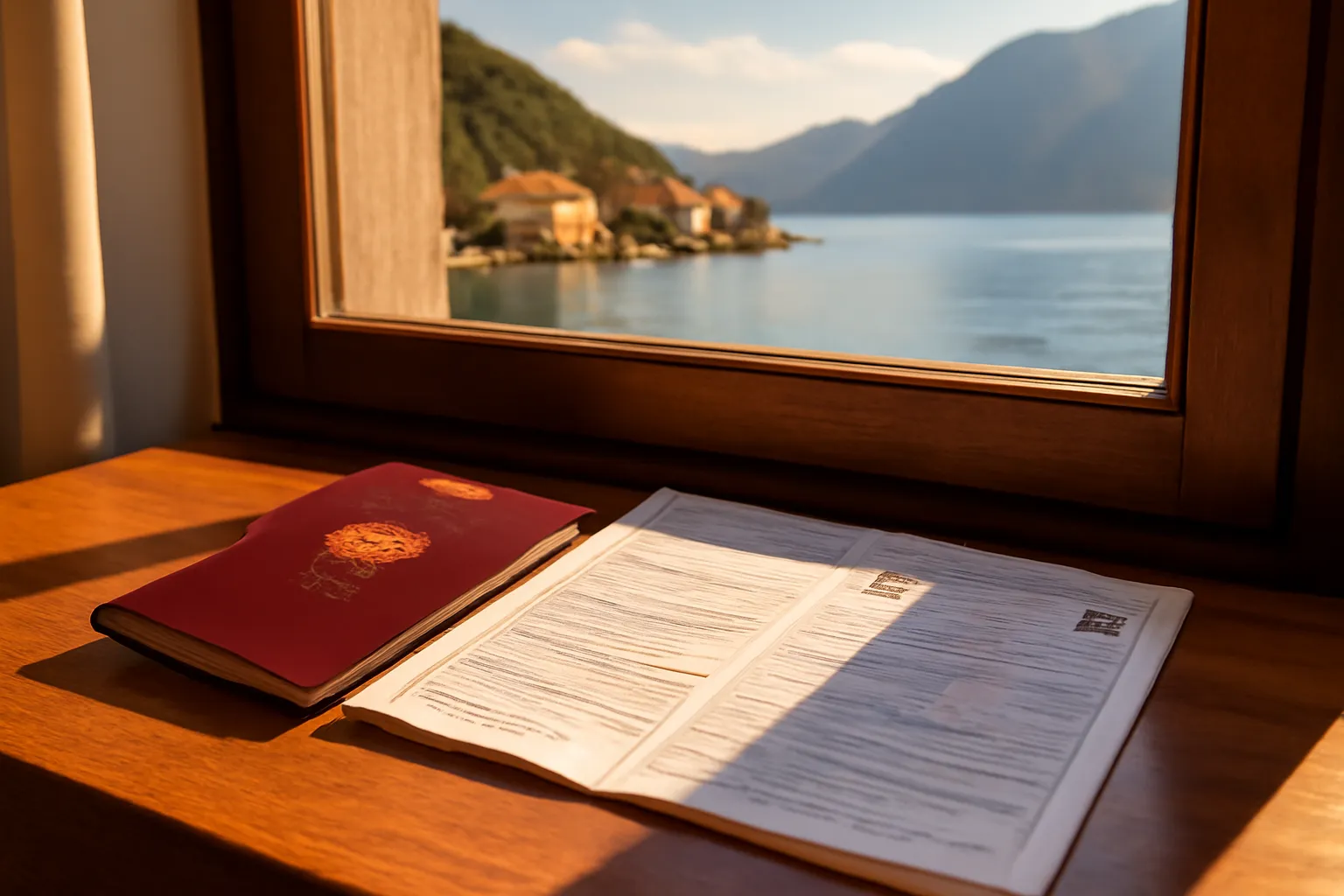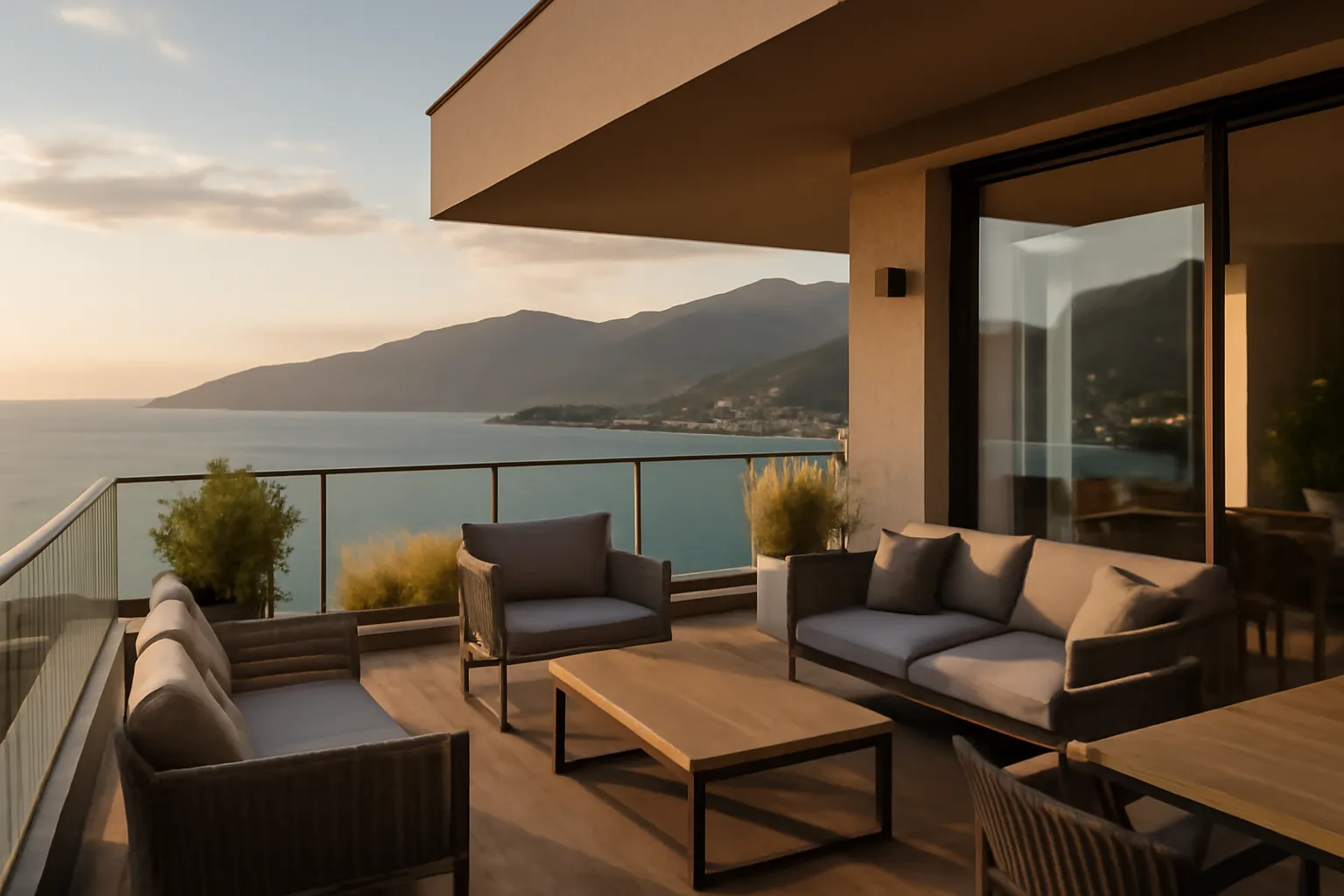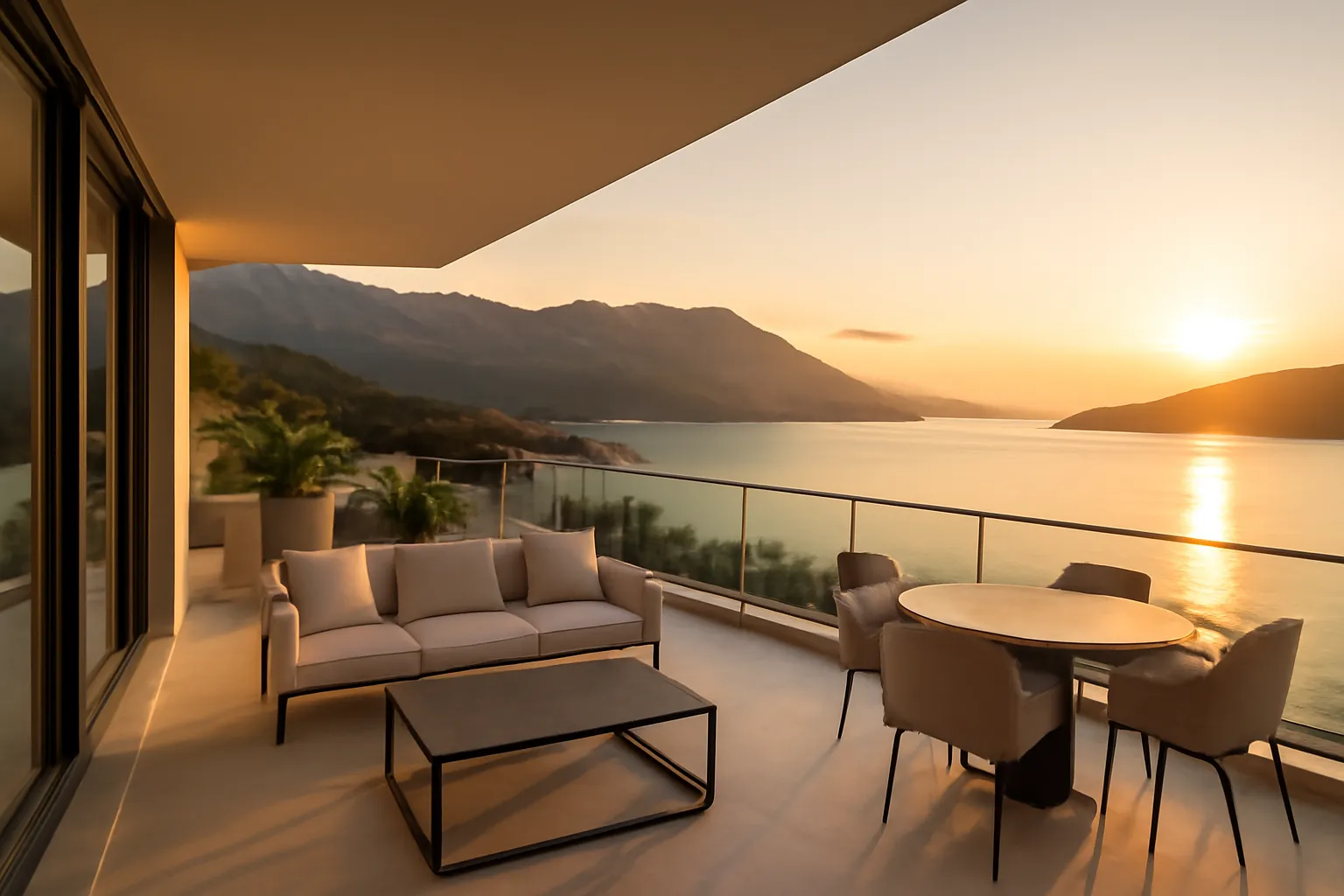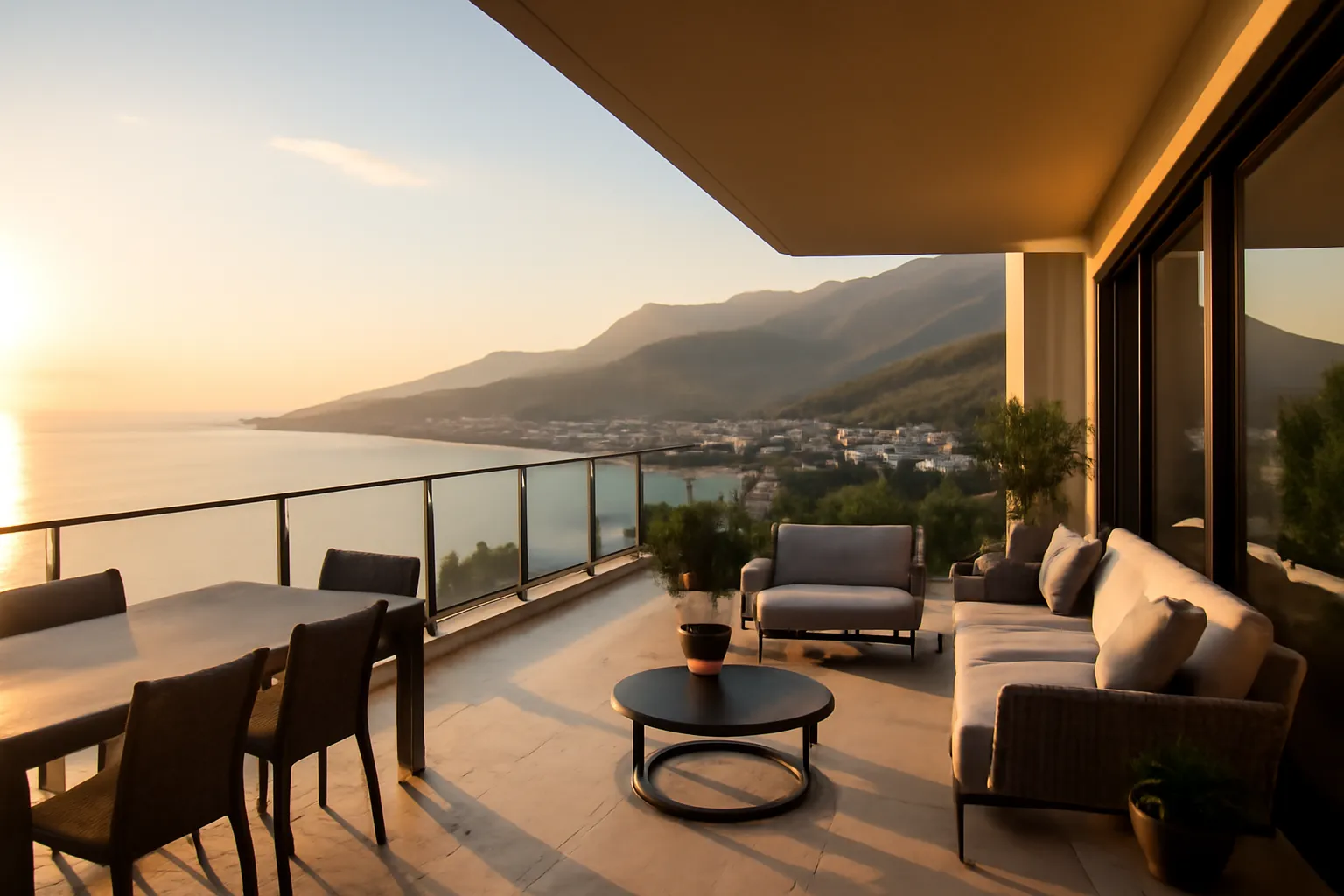
Montenegro is one of the few European countries where foreign nationals can buy residential and commercial real estate with the same legal rights as citizens. Whether you are drawn by the Adriatic coastline, the mountain landscapes, or the relatively accessible entry prices compared to Western Europe, this guide walks you through every stage of the purchase process — from choosing a location to registering your ownership.
Why Do Buyers Choose Montenegro?
Montenegro offers a rare combination: EU candidate status, a euro-denominated economy, a growing tourism sector, and a legal framework that does not restrict foreign ownership of most property types. Coastal towns such as Budva, Kotor, and Tivat attract international buyers seeking holiday homes or rental investments, while the capital Podgorica draws those looking for long-term residential or commercial assets.
The country's compact geography means that you can be at the beach, on a mountain, or at a major border crossing within a few hours — a flexibility that appeals to buyers from across Europe, the Middle East, and the former Soviet region.
Can Foreigners Buy Property in Montenegro?
Yes. Citizens of most countries may purchase apartments, houses, villas, and commercial units on the open market. The main restriction applies to agricultural land and certain protected zones, where additional permits may be required. For standard residential and commercial transactions, foreign buyers follow the same process as Montenegrin nationals.
What Types of Property Are Available?
Coastal apartments and villas are the most active segment. New-build developments in Budva, Tivat's Porto Montenegro area, and the Bay of Kotor command premium prices, while the old town cores of Kotor and Herceg Novi offer charming stone houses at varying price points.
Inland and mountain property — chalets and land plots near Žabljak, Kolašin, and the Durmitor plateau — attract buyers interested in ski tourism or eco-tourism projects.
Commercial real estate — retail units, office space, hotel assets, and hospitality venues — is concentrated in Podgorica and the coastal strip, with growing interest from investors targeting the tourism economy.
Land plots are available for private construction, though buyers should always verify the planning category (urbanistički plan) before purchase, as not all land permits residential development.
How Does the Buying Process Work?
Step 1 — Define Your Budget and Criteria
Before approaching the market, establish your total budget including transaction costs, not just the headline purchase price. Legal fees, taxes, and notary charges add to the final figure.
Step 2 — Choose a Licensed Real Estate Agent
Work with an agency registered in Montenegro that knows local price dynamics and can advise on which micro-locations carry the strongest rental demand or resale potential. A reputable agent will also flag title issues before you invest time in a property.
Step 3 — Instruct an Independent Lawyer
This is non-negotiable on a YMYL transaction of this scale. Your lawyer (pravni zastupnik) will:
- Search the land registry (katastar) to confirm the seller holds clean title and that no mortgage, lien, or dispute is registered against the property.
- Review all planning documentation.
- Draft or review the preliminary contract (predugovor) — typically signed with a deposit to secure the property.
- Prepare the final sale-purchase agreement (ugovor o kupoprodaji).
Never share a notarised contract without independent legal review.
Step 4 — Sign the Preliminary Contract
The predugovor locks in the price and completion timeline. The buyer typically pays a deposit at this stage. If the buyer withdraws without cause, the deposit is forfeited; if the seller withdraws, they are usually liable to return double the deposit — though exact terms are negotiated.
Step 5 — Carry Out Due Diligence
Confirm the following before the final contract:
- No third-party rights or encumbrances on the title.
- Utility connections are in order (or their installation is factored into your cost plan).
- For new-builds: check that the developer holds the required building permits and that the property will be handed over with a use permit (upotrebna dozvola).
- For resale: check for any unpaid municipal taxes or utility debts that legally follow the property.
Step 6 — Sign the Final Contract at a Notary
The ugovor o kupoprodaji must be certified by a Montenegrin notary public (javni bilježnik). Both parties — or their authorised representatives with a power of attorney — must be present or represented. The notary confirms identities, verifies documents, and certifies the transaction.
Step 7 — Pay Transfer Tax or VAT
Two tax regimes apply, and they are mutually exclusive:
- Resale property is subject to property transfer tax, calculated on a progressive scale based on the assessed value. The rates are tiered: a lower rate applies on the portion of value up to a threshold, a mid rate on the next band, and a higher rate above that.
- New-build property sold for the first time by a VAT-registered developer is subject to VAT at the standard rate; transfer tax does not apply in this case.
Your lawyer will confirm which regime applies to your specific transaction.
Step 8 — Register Ownership in the Land Registry
After the notarised contract is signed and taxes are paid, your lawyer submits the registration application to the State Geodetic Authority (Uprava za nekretnine). Once registered, you receive an extract from the land register (list nepokretnosti) as evidence of ownership. This step completes the legal transfer.
What Are the Ongoing Costs of Ownership?
Once you own the property, expect the following recurring obligations:
- Annual property tax (porez na nepokretnost): set by the municipality, the rate varies within a band defined by national law. Coastal municipalities tend to apply higher rates within the permitted range.
- Communal fees (komunalne naknade): charged for maintenance of shared infrastructure, particularly in managed developments.
- Building maintenance contributions in apartment blocks — legally mandated and collected by the building manager.
- Utilities: electricity, water, and telecoms are billed separately by providers.
If you rent the property, rental income is subject to personal income tax in Montenegro at the applicable flat rate. Non-residents should also consider their home country's tax obligations on foreign-sourced income.
Key Due-Diligence Checklist
- Title is clear, single owner, no mortgages or disputes registered.
- Planning category permits intended use.
- Use permit (upotrebna dozvola) exists for new-builds.
- No outstanding utility debts or municipal tax arrears.
- Seller has legal capacity to sell (no court-ordered restrictions).
- Agent and/or developer is licensed and verifiable.
- Power of attorney is notarised and apostilled if you cannot attend in person.
Frequently Asked Questions
Do I need to be in Montenegro to complete a purchase?
No. You can grant a notarised and apostilled power of attorney to a Montenegrin lawyer, who can sign all documents and manage the registration on your behalf.
How long does the full purchase process take?
For a straightforward resale transaction with clear title, the process from signed preliminary contract to registered ownership typically takes several weeks to a few months, depending on notary availability and the speed of land registry processing. Complex cases or new-build purchases with phased handovers take longer.
Can I get a mortgage in Montenegro as a foreigner?
Montenegrin banks do offer mortgage products to non-residents, but the availability and terms depend significantly on your residency status, income documentation, and the bank's current lending policy. Many foreign buyers fund purchases with their own capital or financing arranged in their home country.
Does buying property grant me residency?
Property ownership alone does not automatically confer residency rights, but it can support an application for a temporary residence permit based on ownership of real estate. The specific conditions are governed by Montenegro's Law on Foreigners and should be confirmed with a qualified immigration adviser.
What happens if I want to resell?
Capital gains on the sale of property are taxable in Montenegro. If the property was your primary residence for a qualifying period, an exemption may apply. Your tax adviser should assess your individual situation before you list the property for sale.