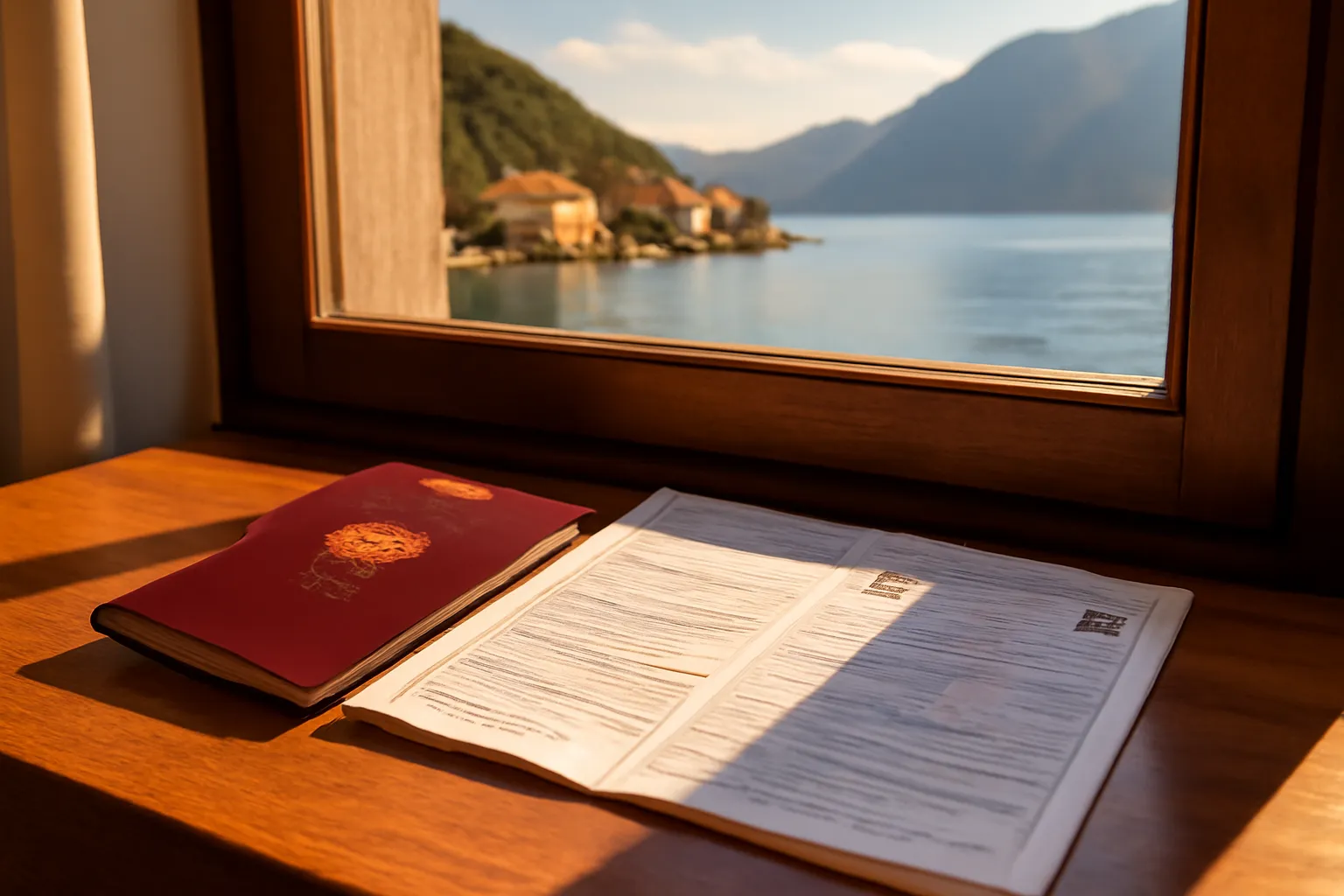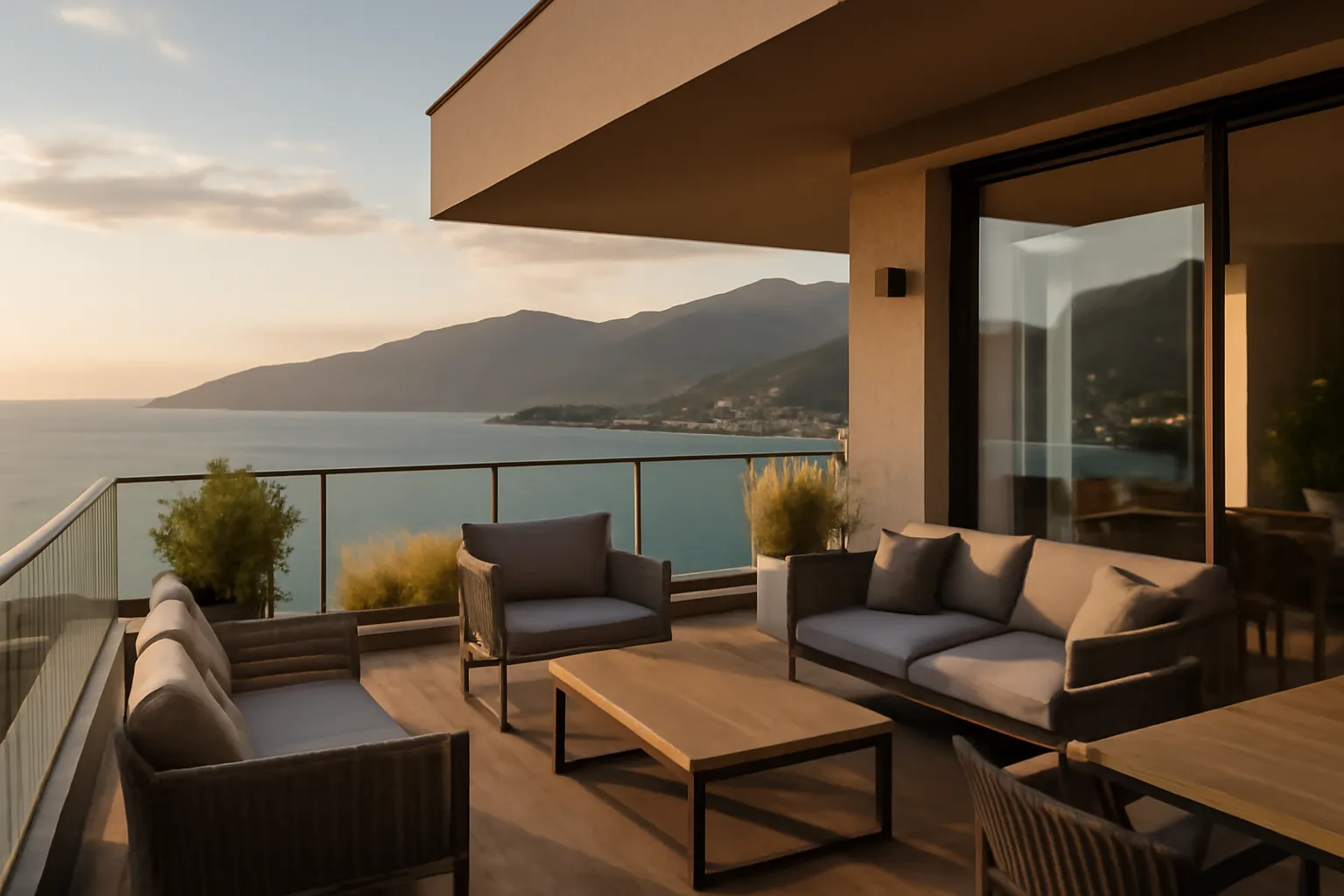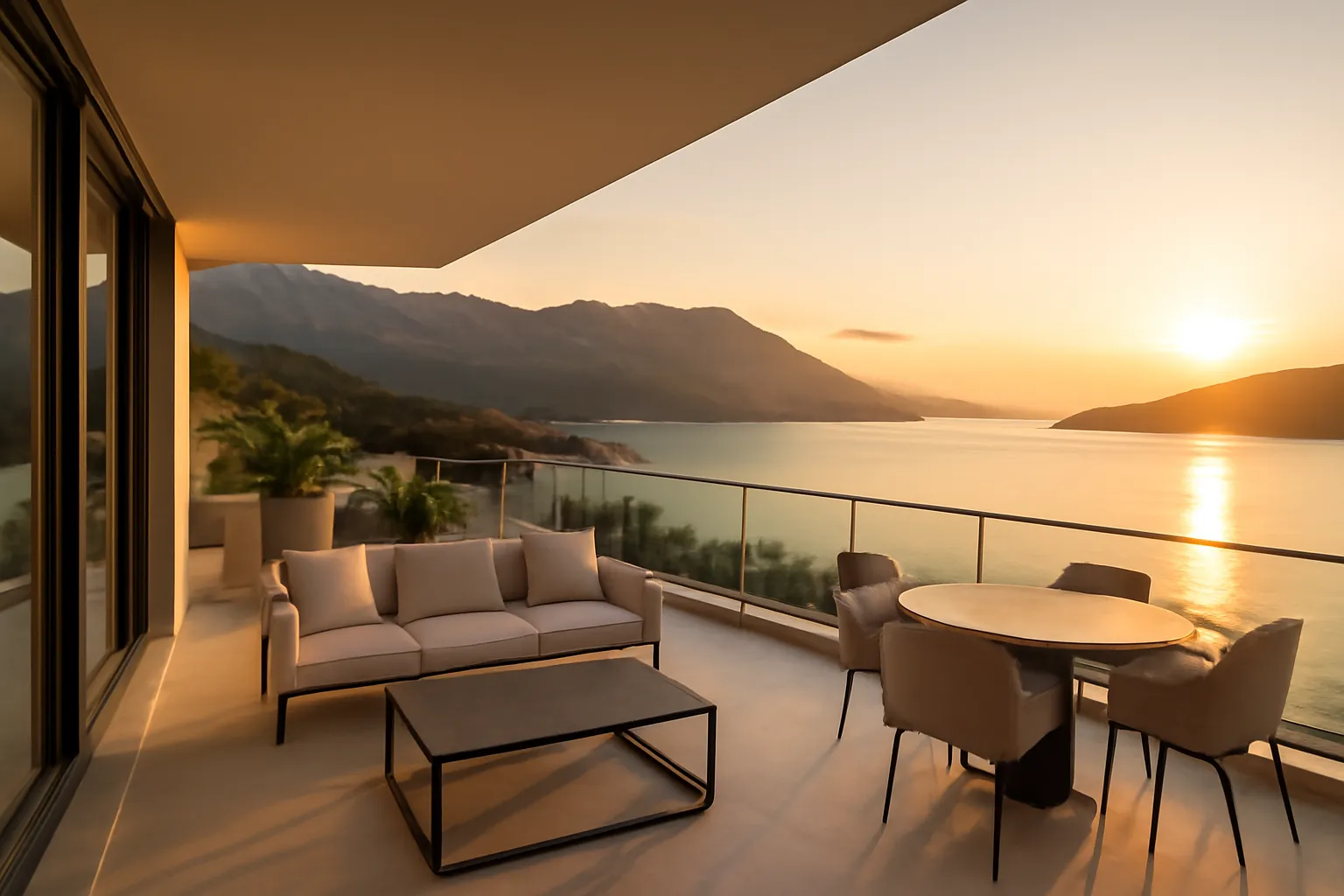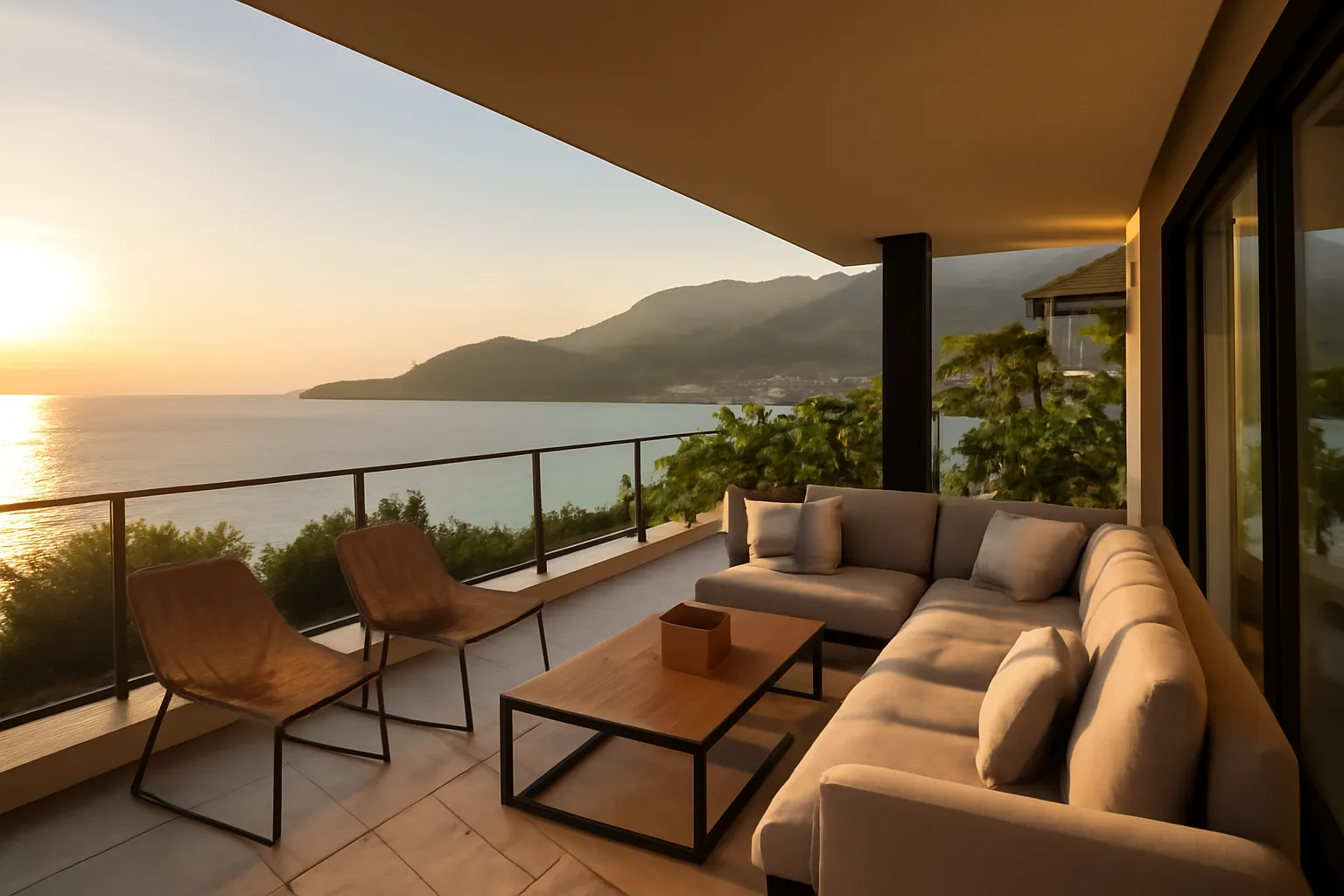
Kotor is one of Montenegro's most sought-after property markets, offering UNESCO-listed Old Town charm, a sheltered Adriatic bay, and strong demand from both lifestyle buyers and investors. Whether you are looking for an apartment in the medieval heart of the city, a villa on the Boka bay waterfront, or a commercial unit in a growing tourist hub, this guide walks you through everything you need to know.
Why Do Buyers Choose Kotor for Property Investment?
Few places in the Mediterranean combine historical significance with genuine lifestyle appeal as effectively as Kotor. The walled Old Town, recognised by UNESCO as a World Heritage Site, draws millions of visitors each year, which creates a resilient short-term rental market for property owners. Beyond tourism, the municipality attracts digital nomads, retirees from across Europe and the wider world, and buyers seeking a second home in a relatively affordable European coastal destination.
The bay itself — Boka Kotorska — is the deepest and most sheltered natural harbour on the eastern Adriatic. Waterfront positions along the bay command premium interest precisely because supply is structurally limited: the bay is ringed by mountains, leaving very little buildable land with direct water views.
What Types of Property Are Available in Kotor?
Old Town apartments
Stone apartments inside the medieval walls are among the most distinctive properties in Montenegro. Units here are typically compact — one or two bedrooms — with thick stone walls, arched ceilings, and views across terracotta rooftops or the bay. Because the Old Town is a protected heritage zone, renovations are subject to strict conservation rules, which keeps supply tight and supports values over time.
Waterfront and bay-view villas
The villages that ring the bay — including Dobrota, Muo, Ljuta, and Prcanj — offer detached and semi-detached houses and villas, many of them historic Venetian-era stone buildings with private boat moorings or direct sea access. These properties tend to be larger than Old Town apartments and attract buyers looking for privacy and outdoor space.
New-build apartments and developments
Modern residential complexes are being developed on the hillsides above Kotor and in adjacent areas such as Škaljari. These offer contemporary finishes, underground parking, and sea views at price points that can be more accessible than heritage stock. New-build purchases from a VAT-registered developer are subject to VAT rather than transfer tax — an important distinction that affects the total purchase cost.
Commercial property
Given Kotor's position as one of Montenegro's top tourist destinations, retail units, restaurant spaces, and boutique hotel conversions attract commercial investors. Demand is seasonal in nature but rental yields in peak summer months can be significant.
Land plots
Building land around the bay is scarce and regulated. Plots that carry valid planning permits and utility connections are the exception rather than the rule, and they command a corresponding premium. Always verify the planning status of any land parcel through the municipal cadastre before proceeding.
How Does the Buying Process Work for Foreign Buyers?
Foreign nationals — including citizens of EU and non-EU countries — can purchase real estate in Montenegro on broadly equal terms to local buyers. There are no general restrictions on foreign ownership of residential property.
The typical purchase journey follows these stages:
- Property identification and offer — agree on a price and the basic terms with the seller or their agent.
- Preliminary contract — sign a pre-contract (predugovor) and pay a deposit, typically around ten percent of the purchase price. This locks in the deal and sets a completion timeline.
- Due diligence — a lawyer checks the title in the real property cadastre (katastar), confirms there are no encumbrances, liens, or planning issues, and reviews the seller's right to sell.
- Final sales contract — signed before a public notary (notar) who certifies the transaction. Notary fees are set by regulation and depend on the contract value.
- Tax and registration — on the secondary market, the buyer pays the progressive transfer tax (3% on the portion of value up to €150,000; 5% on the portion between €150,000 and €500,000; 6% on any amount above €500,000). New-build first sales are subject to VAT instead — transfer tax does not apply in that case. After payment, the buyer is registered as the new owner in the cadastre.
- Annual property tax — once you own the property, the municipality levies an annual property tax, the rate of which varies by location and is set by the local authority within a range defined by national legislation.
Engaging an independent local lawyer — separate from the agent — is strongly recommended given the YMYL nature of real estate transactions. Legal fees vary; request a quote from a licensed Montenegro attorney before committing.
What Should You Check Before Buying in Kotor's Old Town?
Heritage zones carry specific obligations. Before signing anything:
- Confirm renovation permissions. Any structural work or change of appearance must be approved by the Institute for the Protection of Cultural Monuments. Works carried out without approval can result in enforcement orders and affect resale.
- Check ownership history. Some Old Town properties passed through multiple hands during the post-Yugoslav period. A clean cadastre extract (list nepokretnosti) issued within the past few weeks is essential.
- Assess access and utilities. Many Old Town lanes are narrow and pedestrian-only. Confirm that water, drainage, and electricity connections are active and properly registered.
- Verify the usable area figure. Montenegrin listings sometimes quote gross area including common parts; ensure the contract specifies the net internal area of the unit you are purchasing.
Is Kotor Property a Good Rental Investment?
Kotor draws visitors year-round, though summer — roughly June through September — represents the peak season, with the bay hosting cruise ships and leisure sailors. Short-term holiday letting through platforms such as Airbnb is common and legal, subject to registration with the Tourism Organisation and payment of tourist tax. Landlords must also declare rental income for personal income tax purposes.
Gross rental yields depend heavily on property type, condition, location within the bay, and how professionally the property is managed. Old Town apartments with strong reviews and central positions tend to perform well on a per-night basis; the trade-off is higher management effort and seasonal concentration. Bay-view villas can command higher nightly rates but may sit empty outside peak months unless marketed to shoulder-season travellers.
Long-term lets to residents or professionals offer more stable income with less management overhead, though at lower monthly rates than peak short-term figures. Many investors use a hybrid model — short-term in summer, medium-term to professionals in winter.
FAQ
Can non-EU citizens buy property in Kotor? Yes. Montenegro's property law allows foreign nationals of virtually all nationalities to purchase residential and commercial real estate on the same general terms as Montenegrin citizens. There are no quota restrictions on foreign ownership.
How long does the full purchase process typically take? From the signed pre-contract to completed registration, straightforward transactions commonly take between four and eight weeks, though complex cases — disputed titles, missing documentation, or financing — can extend this timeline considerably.
Do I need a local bank account to complete a purchase? It is not legally required to open a Montenegrin bank account to buy property, but having one simplifies the transfer of funds, payment of taxes, and ongoing costs such as utility bills and municipal charges. Many buyers open an account once they have signed the pre-contract.
Is there a property tax in Montenegro, and who pays it? Yes. Annual property tax is levied by the municipality on all property owners, Montenegrin and foreign alike. The rate is set locally within a national framework. The owner registered in the cadastre on the assessment date is liable.
What is the difference between buying from a developer and buying on the secondary market? Buying a new apartment from a VAT-registered developer attracts VAT on the sale price rather than transfer tax. On the secondary market — purchasing from a previous owner — the buyer pays the progressive transfer tax. The two taxes are mutually exclusive; the applicable one depends on who the seller is and whether the property has been sold before.
This article is for general information only and does not constitute legal or financial advice. Engage a qualified Montenegro-licensed attorney and, where relevant, a tax adviser before completing any property transaction.